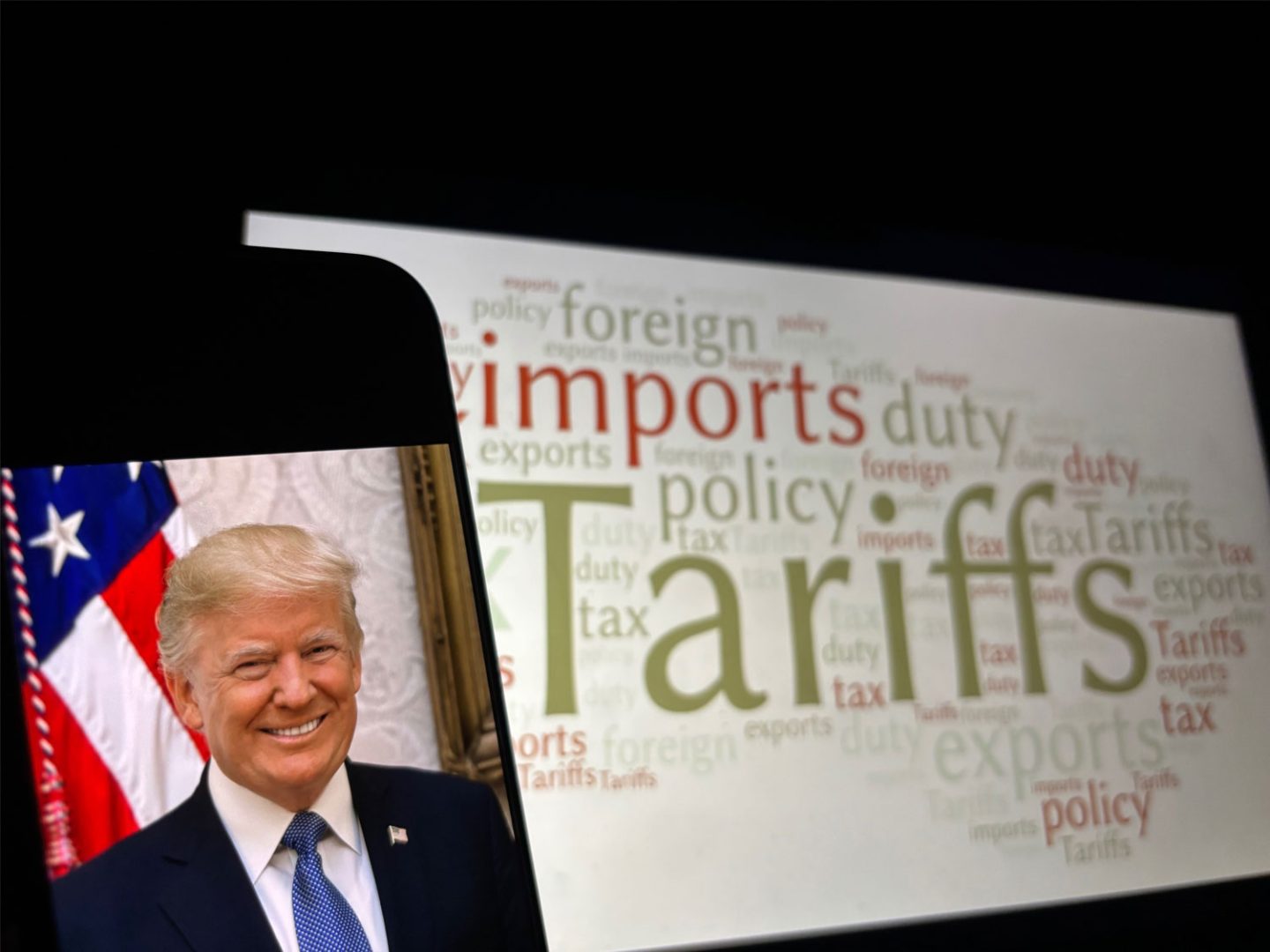
Tariffs, Complexity and Opportunity

Tariffs, Complexity and Opportunity

As the United States recalibrates its tariff landscape, importers (and DDP exporters) are navigating a rapidly shifting environment. With Section 301 tariffs on Chinese goods still firmly in place, it has never been more critical to understand which tariffs apply and how to calculate them.

In mid-May 2025, the US and China agreed to a temporary 90-day pause, reducing some of the steepest retaliatory tariffs introduced earlier this year. As a result the “Liberation Day” tariffs of 145% were reduced to 30% for a limited set of goods.

However, the vast majority of Section 301 tariffs of >20%, imposed since the original US-China trade war in 2018, remain fully in effect. These apply to thousands of products, from electronics and machinery to apparel, plastics, and consumer goods.

Even with the temporary relief, many Chinese imports still face aggregate duty rates between 25% and 45%, and in some categories even higher, depending on classification.

Meanwhile, other major trading blocs continue to face pressure:

  • United Kingdom: 10% for automotives, capped at 100,000 vehicles annually 10% blanket tariff for most other goods including consumer goods, machinery, and textiles
  • Canada & Mexico: A 25% duty now applies to most goods, with energy imports from Canada also hit by an additional 10% levy.
  • European Union: Proposed 50% tariffs have been postponed until 9 July, but the delay only adds to uncertainty.
  • Rest of World: Many categories of industrial and consumer goods continue to carry elevated Most-Favoured Nation (MFN) rates, while countries without a preferential trade agreement with the US face duties ranging from 5% to 25%, depending on classification.

This fragmented tariff regime has introduced significant compliance risk, particularly for shippers working across multiple geographies.

Compliance is Complex—and Getting it Wrong is Costly
With tariffs now applied differently by origin, product type, and trade agreement status, accuracy in classification and valuation is critical. Errors can lead to underpayment (and penalties), overpayment (and lost margin), or shipment delays.

Key areas of risk include:

  • HS Codes (Harmonised System codes): A single digit variation can shift a product from a 5% duty rate to 25%. For example, a screw compressor may fall under HS code 8414.80.16 (duty-free) or 8414.80.90 (5.0%).
  • Country of Origin Rules: Manufacturing in multiple countries complicates origin determination. A shirt assembled in Vietnam from Chinese fabric may not qualify for any duty relief under existing agreements.
  • Valuation: Freight, insurance and packaging must be properly declared when calculating the dutiable value. Missteps here lead to unexpected cost and audit risk.

For exporters selling DDP, the challenge is even greater: you’re liable for these duties, meaning you absorb the cost of any errors. In today’s environment, even small misclassifications can compound across shipments, eroding profitability.

Turning Tariffs into Opportunity
While challenging, this tariff environment also presents strategic opportunities for those who are prepared:

  • Supply Chain Diversification: Shifting sourcing to countries with lower US duty rates can generate meaningful savings. Even partial shifts can de-risk exposure.
  • Tariff Engineering: By adjusting product configuration or final assembly location, shippers can legally change a product’s classification or origin. For instance, repackaging or minor reassembly in a third country may reduce duty rates.
  • Bonded Warehousing & FTZs: Storing goods in US Foreign Trade Zones or bonded facilities can defer, reduce, or eliminate duty payments, especially when re-exporting or assembling in the US before domestic release.

Amid rising costs and intense global competition, such strategies can help turn tariff exposure into a competitive advantage.

We combine trade compliance expertise, global freight execution, and strategic planning to help you manage tariff risk and unlock supply chain opportunities.

  • Expert customs brokerage teams based in the US
  • Product classification and duty calculations
  • Duty mitigation strategies, including bonded warehousing
  • Trade lane analysis and landed cost modelling
  • Supply chain rerouting and logistics reconfiguration

EMAIL Andrew Smith, Managing Director, to learn how Metro help you stay compliant, minimise supply chain risk, and unlock opportunities.

US and India Trade Deals Open Doors for UK Traders

US and India Trade Deals Open Doors for UK Traders

Two landmark trade agreements with the US and India promise to reshape supply chain opportunities for UK importers and exporters. Both deals offer a mix of immediate tariff relief and long-term potential to diversify sourcing and boost exports.

The newly signed UK-US agreement has reduced US tariffs on British automotive exports from over 25% to 10%, with an annual cap of 100,000 vehicles. While this cap closely matches current UK export levels, the reduced tariff eases pressure on British vehicle manufacturers, particularly those which had previously paused US shipments amid cost uncertainty. The agreement also removes the 25% tariff on UK steel and aluminium, helping lower input costs for UK manufacturers supplying US markets. However, US tariffs remain high for certain automotive parts and some categories of goods.

The agreement marks the first major trade pact since the imposition of US “Liberation Day” tariffs. While the deal falls short of a comprehensive free trade agreement, it provides immediate relief for supply chains and signals a willingness to continue negotiations on broader market access. The US has also committed to fast-tracking UK goods through customs, helping to ease some of the red tape associated with transatlantic trade.

In parallel, the long-awaited UK-India free trade agreement opens up new avenues for fashion and footwear supply chains. Tariffs on over 90% of UK exports to India, including clothing and footwear, will be phased out over a 10-year period. For Indian goods entering the UK, the deal eliminates nearly all levies, offering UK retailers access to competitive manufacturing without compromising quality.

The deal is particularly attractive for UK footwear brands and fashion houses already sourcing from India’s strong leather and non-leather production base. The expected reduction of tariffs and customs barriers is likely to enhance cost competitiveness and shorten lead times. With India’s middle class growing steadily—accounting for nearly a third of its population—the market also presents growing demand for high-quality, internationally recognised UK brands.

At the same time, the agreement offers UK fashion retailers a timely opportunity to diversify sourcing strategies away from markets where rising costs and geopolitical instability have made supply chains increasingly fragile. Industry experts believe some fashion retailers could improve margins by double digits once they fully leverage the benefits of the India deal.

For UK automotive exporters, the India pact includes a commitment to reduce tariffs on UK car exports from well over 100% to 10%. Although the final details of quotas and implementation remain under discussion, it represents the first step towards opening India’s protected automotive market to British manufacturers.

Both trade agreements offer UK businesses critical alternatives at a time of global uncertainty. They present clear potential for easing supply chain costs and improving market access for two key industries that underpin UK manufacturing and retail exports. However, much will depend on the full legal texts and how effectively the provisions are implemented in practice.

The new US and India trade agreements offer real and immediate opportunities. Whether you are looking to streamline transatlantic automotive exports, expand your retail footprint, or diversify fashion and footwear sourcing, Metro can help you unlock the full benefits of these landmark deals.

With decades of experience supporting UK importers and exporters, our expert team understands how to navigate new trade frameworks and optimise supply chain performance. We can help you fine-tune logistics, reduce costs and simplify customs compliance, to take advantage of the new tariff reductions and market access opportunities now on offer.

EMAIL Andy Smith, Managing Director, to find out how we can help you capitalise on these positive changes and build a resilient, agile supply chain ready for growth.

US-China Tariff Pause Offers Fashion Breathing Space

US-China Tariff Pause Offers Fashion Breathing Space

Fashion brands and retailers around the world have welcomed a temporary easing of tensions between the US and China, but remain wary of the wider uncertainty still gripping global supply chains.

A 90-day agreement announced on Monday May 12 will, from May 14, reduce US tariffs on Chinese goods from 145% to 30%, and cut Chinese tariffs on US goods from 125% to 10%. While the move has offered immediate relief, industry bodies warn it does little to address the long-term challenges facing the fashion sector.

The announcement sparked a wave of activity as brands reinstated production orders they had previously paused. The high tariff levels had forced many companies to cancel orders, divert production to Vietnam, Cambodia, and Sri Lanka, or slow shipments into the US and Europe. The easing of duties now gives brands the opportunity to fulfil autumn and holiday orders with a degree of cost certainty, albeit only for a limited window.

Trade associations remain cautious. The Footwear Distributors and Retailers of America called the agreement “a step in the right direction” but emphasised that even the reduced 30% tariff remains a significant burden. The fashion industry, with its typically thin margins, has found it difficult to absorb such additional costs. Retailers and importers warn that prices will inevitably be passed onto consumers, fuelling inflationary pressures across apparel and footwear categories.

The American Apparel & Footwear Association (AAFA) noted that this tariff rate applies in addition to any existing duties and customs fees, potentially pushing total charges on certain items to around 50%. Smaller brands, in particular, lack the scale to mitigate these costs and are likely to face greater challenges.

The agreement doesn’t not reverse the abrupt end of the de minimis exemption, which previously allowed shipments valued at <$800 to enter the US duty free. Fast fashion and eCommerce platforms that relied on this customs regime have been forced to rethink their business models.

Retailers may now attempt to bulk-ship goods to US warehouses during the 90-day window to avoid further disruption.

Supply chain experts say the fashion industry will continue to face high levels of uncertainty. The temporary nature of the deal, coupled with the risk of retaliatory tariffs on goods from countries like Vietnam and Cambodia, means many brands are proceeding with extreme caution. Some analysts warn that if brands rush to resume production, a surge in orders could overwhelm manufacturers and create a cargo capacity crunch, pushing air and ocean freight rates even higher.

The longer-term outlook remains unclear. Fashion companies continue to seek more flexible and diversified sourcing strategies, hedging against the risks of geopolitical instability. Industry leaders have urged policymakers to use the current window to work towards a permanent, predictable trading framework.

For now, the temporary tariff pause has delivered short-term relief, but it is widely viewed as a fragile reprieve rather than a definitive resolution. As one trade association put it, fashion brands will “enjoy this time” but remain braced for further twists in the turbulent global trade environment.

With decades of experience supporting leading fashion brands and retailers, we understand the unique demands of global fashion supply chains. EMAIL Andy Smith, Managing Director, to navigate today’s uncertainty and optimise your international logistics and sourcing strategy with confidence.

Blanked Sailings Amid Geopolitical Shifts

Blanked Sailings Amid Geopolitical Shifts

Global sea freight is navigating a complex landscape marked by geopolitical tensions, fluctuating demand, and strategic capacity adjustments and while a temporary US-China tariff truce offers a glimmer of hope, challenges persist across major trade lanes.

In response to weakening demand, particularly on transpacific routes, ocean carriers have taken aggressive steps to manage overcapacity. Year-on-year capacity reductions of around 4% to 5% have been recorded on Asia-North America trades for April and May. The Asia to US East Coast route has been especially impacted, with reports suggesting shippers face as much as a 40% cut in weekly slot availability due to a sharp rise in blanked sailings. Some weeks have seen up to 10 scheduled services withdrawn.

The trend of blank sailings is not uniform across all alliances. Major players have taken divergent approaches, with some choosing to maintain network stability while others have opted for deep cuts to protect rate levels. MSC, the world’s largest shipping line, has launched a sweeping revamp of its east-west network, consolidating services and shifting vessels between routes in an effort to optimise capacity and mitigate the financial impacts of underutilised sailings.

The effect of these service cancellations has been most visible in spot rate volatility. Container spot rates between Asia and Europe have been pressured as additional capacity and lower-than-expected booking levels weigh on prices. In contrast, rates from Asia to the US, particularly the US West Coast, have remained relatively firm due to tighter supply caused by blank sailings and ongoing retailer inventory replenishments.

The scale of blanked sailings is contributing to a growing sense of uncertainty in booking reliability. With last-minute sailing cancellations and frequent schedule changes becoming increasingly common, an emerging trend has been to split bookings across multiple carriers to hedge against cancellations.

US-China Tariff Truce: A Temporary Respite
Amid this volatile environment, the recent US-China agreement to temporarily reduce tariffs for 90 days from May 14 offers some hope. The US has lowered tariffs on Chinese goods from 145% to 30%, while China has eased tariffs on US imports from 125% to 10%.

The impact of the tariff pause has yet to fully filter through to shipping demand. However, many in the industry hope it could reignite volumes, especially in the transpacific trade, which has been hardest hit by tariff-driven disruptions and reduced consumer demand. The long-term benefits depend on whether this truce leads to a broader and more lasting trade agreement.

Looking Ahead: A Market in Flux
Even with the tariff reprieve, the global sea freight market faces lingering challenges. The combination of excessive vessel deliveries into a market of uncertain demand is expected to maintain downward pressure on rates in the months ahead. Ocean carriers are likely to continue balancing network adjustments, including further blank sailings and service restructures, to keep load factors at sustainable levels.

Some industry observers note that capacity cascading is already underway, with surplus vessels being redeployed to secondary trades such as Asia-Europe or intra-Asia, although these markets cannot fully absorb the overflow from the transpacific.

The situation remains fluid, with geopolitical risks, shifting consumer spending patterns, and global economic uncertainty all contributing to ongoing volatility. While the short-term outlook is mixed, we remain focused on managing risk and seeking stability in what continues to be a highly dynamic and unpredictable market.

The global sea freight market continues to adjust to shifting demand and capacity changes. With significant change underway, now is the ideal time to review your ocean freight strategy to ensure continuity and flexibility. EMAIL Andy Smith, Managing Director, to discuss how we can support your business with tailored solutions that keep your supply chain resilient and competitive.