eCommerce2 1440x1080 1

UK De Minimis Rule Under Review

The UK government has announced plans to review the longstanding de minimis tax exemption for low-value imports, in a move that has been welcomed by major British retailers.

The rule currently allows goods valued at £135 or less to enter the UK without incurring customs duties; a system critics argue has been exploited by international eCommerce platforms at the expense of UK businesses.

The Latin term “de minimis” translates to “the smallest things” and has traditionally been used to justify the exemption of very low-value goods from burdensome customs procedures. However, as eCommerce volumes have grown and global online platforms increasingly rely on this exemption, its relevance and fairness have come under scrutiny.

Speaking at the IMF Spring Meetings in Washington DC, Chancellor Rachel Reeves signalled the government’s intention to help UK firms compete fairly by closing the loophole that international sellers have used to undercut domestic retailers.

Retailers argue that platforms like Temu and Shein leverage the exemption to ship millions of low-value parcels into the UK each day, often without meeting British environmental, ethical, or consumer safety standards, and are sold duty-free while UK retailers pay full VAT and import taxes.

Helen Dickinson, Chief Executive of the British Retail Consortium, said the review is “most welcome,” emphasising that it could prevent the UK from becoming a dumping ground for substandard goods in the wake of global trade turmoil.

Jonathan Reynolds, the UK’s Business and Trade Secretary, echoed this sentiment, promising “urgent steps to deliver quicker protections” for domestic firms.

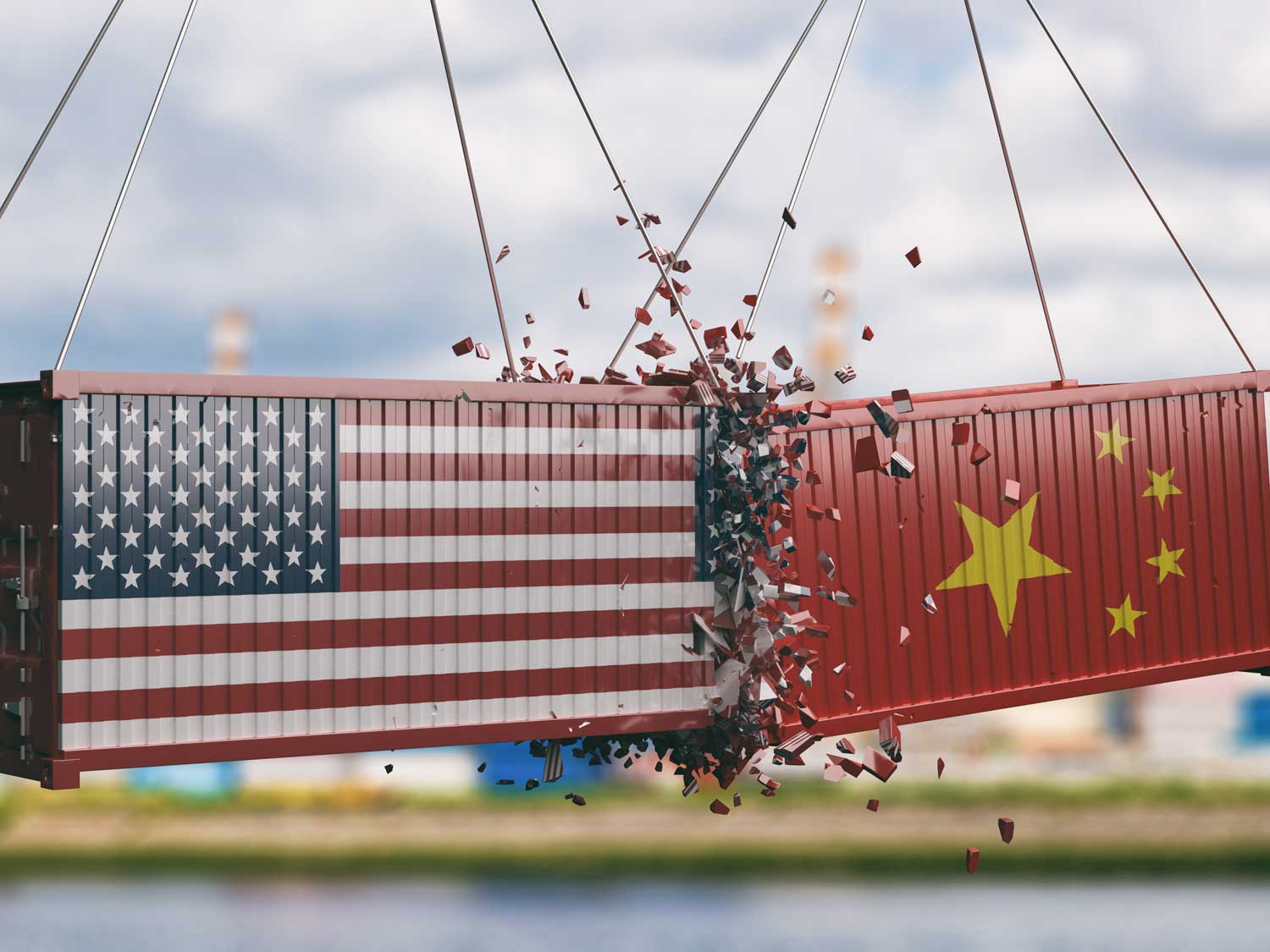
The issue mirrors changes in the US, where the government has already lowered its de minimis threshold from $2,500 to $800 and is preparing to end the exemption altogether for China from May 2.

Retailers argue that eliminating the de minimis loophole would not only create a level playing field, but also enhance consumer protection, increase tax revenues, and support the struggling High Street. As the UK prepares to engage with stakeholders in the coming months, the move could reshape how global eCommerce platforms operate within the British market.

As tax exemptions tighten, Metro’s end-to-end airfreight and courier solutions combine speed, cost-efficiency and full regulatory alignment for both parcel and bulk eCommerce shipments.

With strategic block space agreements (BSA) and capacity purchase agreements (CPA) in place, we secure priority capacity and competitive rates across high-demand trade lanes so your products keep moving, even as the rules shift.

EMAIL Elliot Carlile, Operations Director, today to explore how Metro can help you stay compliant and competitive.
BKR 1440x1080 1

Unlock Savings and Strengthen Compliance with BKR Consultants

We’re always looking for ways to support our clients and that includes helping you stay on the right side of HMRC, while making the most of your duty spend. That’s why we’re proud to introduce BKR Consultants, a trusted member of our group and a specialist in customs compliance.

Based across the UK, BKR Consultants bring deep expertise in customs brokerage, health and regulatory affairs and international trade. Their team provides independent, professional advice that helps importers and exporters stay compliant – and uncover meaningful opportunities to save and reclaim money.

Even businesses with experienced in-house customs teams can find it challenging to keep up with evolving legislation or spot every error. That’s where BKR’s customs compliance auditing service adds real value.

Why Consider an Independent Customs Audit?
Even with a strong internal customs team, it’s easy for issues to slip through the cracks. Classification errors, unsupported preferential claims, and small inaccuracies can quietly add up to major costs, or worse, attract an HMRC audit.

That’s where BKR Consultants come in.

Their independent audits offer a second set of expert eyes on your customs activity, using your actual data to uncover risks, identify opportunities, and ensure your business is fully aligned with HMRC expectations. And this isn’t just theory: BKR have already recovered millions of pounds for clients through the identification of overpayments and incorrect classifications.

From reassessing the way your goods are declared, to helping you access duty-saving procedures, BKR’s audits are practical, actionable, and focused on results.

What’s more, BKR make a simple promise: to leave every client – no matter how big or small – in a better place.

That might mean improved internal knowledge and confidence, a measurable financial refund, or a more stable and compliant business overall.

Here’s what you can expect:

  • A detailed review of your customs declarations and documentation
  • Identification of compliance issues and corrective action plan
  • Retrospective duty reclaims and long-term cost reductions
  • Access to BKR’s trade analytics platform to explore trends and track progress

By engaging BKR, you can:

  • Eliminate risks before they become costly problems
  • Improve cash flow by reclaiming overpaid duties
  • Reduce administrative burden by outsourcing time-consuming checks
  • Strengthen your compliance posture ahead of any HMRC audits

Take the First Step — Book a Free Consultation
Whether you’re already questioning the accuracy of your declarations and duty payments, or simply want the reassurance of a compliance check, BKR’s audits are designed to leave your business in a stronger position – financially, operationally, and strategically.
EMAIL Lucy Hulston to Book your Free Consultation.

Trump on tv 1440x1080 1

Tariff turmoil threatens US importers as China trade takes a hit

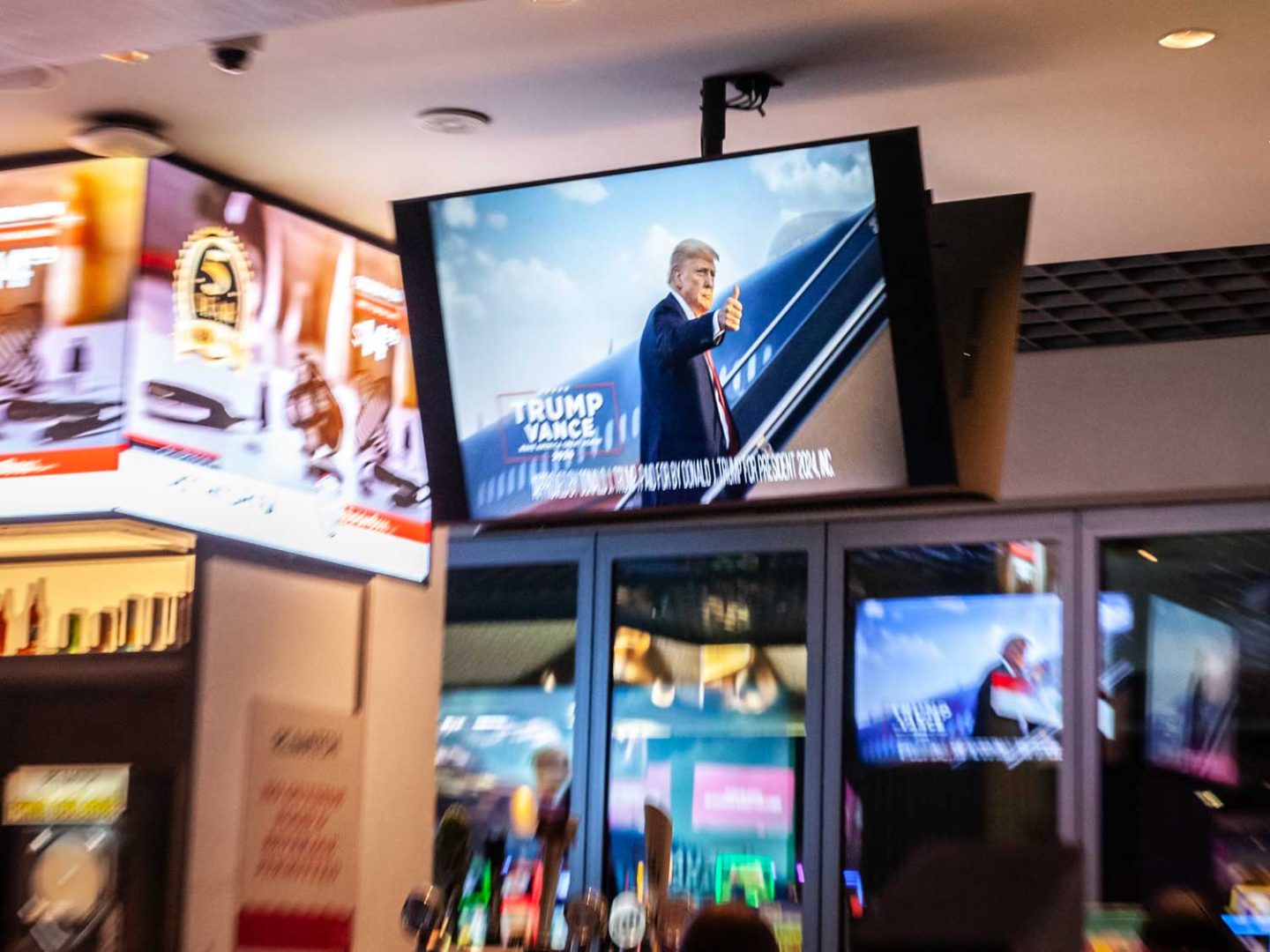
After weeks of speculation, US President Donald Trump has sharply escalated tariffs on Chinese goods to 125%, while simultaneously offering a 90-day reprieve to other trading partners.

The baseline tariff of 10% applies to imports from all countries other than China, including the EU. This rate applies in addition to any existing tariffs, with certain exemptions in place for key sectors such as semiconductors, copper, lumber, pharmaceuticals, bullion, energy, and minerals not found domestically.

Meanwhile, the separate 25% tariff on automobiles and auto parts, introduced last month, remains in effect.

Tariffs of 25% also continue to apply to steel and aluminium imports across the board, alongside the existing 25% duty on goods from Mexico and Canada that do not comply with USMCA free trade agreement terms.

US retailers and importers are reacting quickly. Delaying or cancelling orders and turning to existing inventory while they wait for clarity. According to the National Retail Federation (NRF), the outlook for imports is bleak, with volumes expected to fall sharply in the coming months.

Data from Dun & Bradstreet shows that just 225,900 TEUs of US imports from Asia were booked in the past seven days, down from around 633,000 TEUs the week before. Purchase orders for fall and holiday merchandise are also being postponed by 30 to 60 days.

The NRF’s Global Port Tracker estimates a 20% year-on-year drop in US imports for the second half of 2025. June volumes are forecast to be the lowest since early 2023, with the downturn starting as soon as May. While the 90-day reprieve on non-China tariffs may cushion the blow, the wide disparity in duty rates between China and other Asian nations is already influencing global sourcing decisions.

With tariffs now exceeding 150% on some goods, many Chinese-made products are no longer viable in the US market. By contrast, the impact on goods from countries facing lower tariffs is less severe. A 10% duty typically translates to a retail price increase of around 3%, making these supply chains more resilient in the near term. As a result, sourcing is shifting rapidly towards countries like Vietnam and Taiwan, where the tariff environment is more favourable.

Despite the disruption, shipping lines remain cautiously optimistic. Many believe that once the tariff situation stabilises import volumes could rebound strongly during the peak late summer to autumn season.

Meanwhile, the administration appears to be refining its approach on another controversial measure. The proposed port fees of up to $1.5 million on Chinese-built or operated ships calling at US ports. Speaking before the Senate Finance Committee, USTR Jamieson Greer sought to ease concerns, indicating adjustments are being made to avoid damaging American export competitiveness.

“The president will look very carefully to make sure we have the right amount of time and the right incentives to create shipbuilding here without impacting our commodity exports,” Greer said.

Meanwhile, pressure is building on US Customs and Border Protection (CBP). The increased complexity of tariff codes and documentation is creating more manual processing work, and staffing levels have not risen in line with demand. There is growing concern that CBP could be overwhelmed if volumes rise suddenly or new duties are introduced.

For now, the only certainty is continued volatility. Trade flows are being redrawn, sourcing strategies are in flux, and the longer-term consequences of this tariff upheaval are only just beginning to surface.

We will share further updates as new details emerge, particularly around the EU and shifts in UK trade policy.

If you’d like to review any potential impact on your supply chain, assess your exposure, or explore strategic options, we’re here to help. Metro is well-placed to support you, backed by our expanded US footprint and strong focus on North American trade flows.

If we can help, or simply answer your questions, contact us now for prompt and tailored advice.

us china tradewar

US Tariff Developments and Global Trade Reactions

Further to our recent update on the major changes to US tariffs (link), the global trade landscape remains highly fluid, with the situation evolving rapidly.

Last Wednesday, 2nd April, President Donald Trump announced a comprehensive tariff strategy, imposing a universal 10% tariff on all imported goods, effective from the 5th April.

Additionally, as of today, 9th April, a second wave of higher “reciprocal” tariffs has been implemented, targeting specific countries with rates ranging from 11% to 50%, based on perceived trade imbalances and barriers. Notably, China which now faces a tariff rate of 104% on its exports to the US, combining previous and new duties.

The UK, Australia, Indonesia, Singapore, Vietnam, and Taiwan have confirmed they will not introduce countermeasures at this stage. Notably, both Vietnam and Taiwan have expressed willingness to negotiate with the US and explore zero-tariff agreements.

In contrast, China responded with retaliatory tariffs of up to 34% on US goods, which has seen President Trump follow through with his threatened escalation of an additional 50% duty on Chinese imports. As a result, US importers now face an unprecedented degree of uncertainty around landed costs.

The European Union has proposed a zero-tariff arrangement on autos and industrial goods, which was rejected by the US. So far, the EU’s potential response appears limited to steel and aluminium, though speculation persists around broader negotiations and potential shifts in trade policy.

This environment puts US importers in a difficult position: ship now and risk overpaying if tariffs are reversed, or delay and risk facing even higher costs if further duties are imposed. Many are opting to pause shipments where possible, disrupting vessel utilisation, bookings, and spot market rates.

Early indicators suggest the impact on global logistics is already being felt. Sea freight container bookings into the US from China have dropped a massive 67% in the past 7 days compared to the week prior, with export bookings also down 40%. If these figures are anywhere near accurate, this marks an extremely large and immediate disruption to trade flows into the US.

If this slowdown continues, significant blank sailings from the carriers are inevitable, and signs of this are already emerging. Yesterday, Ocean Network Express (ONE) announced that the Premier Alliance PN4 Pacific service, scheduled to begin in May, has been suspended until further notice—an early indication of broader cancellations to come.

There are several mechanisms that can be utilised to temporarily avoid duties for exports into the USA including Free/ Foreign Trade Zones, customs regimes, bonded facilities, temporary import bonds (TIB’s), carnets and more. There are options to carry on shipping goods to USA and not clear them until it is absolutely clear whether commodity tariff rates will be reduced or withdrawn as, or if, deals are agreed between countries.

From an objective standpoint, it remains unclear what concessions the US is seeking in exchange for easing these tariffs, particularly since the justification of “tariffs imposed on the US” lacks clarity in many cases.

For shippers and carriers the coming days and weeks will require vigilance and adaptability. The tariff landscape may shift dramatically and without warning, both upward and downward.

We continue to monitor developments closely and will issue further updates as more information becomes available, particularly concerning potential EU countermeasures and UK trade policy responses.

If you would like to review your specific supply chain impact, assess your exposure, or explore strategic alternatives, please don’t hesitate to get in touch. Metro is well-positioned to support you, bolstered by our expanded US presence and strong focus on North American trade flows.

Expect further insights in the coming days as the situation unfolds and if you have any questions please give me a call, or drop a message, and we will ensure that you receive immediate attention and advice.