US graph

Tariffs, Complexity and Opportunity

As the United States recalibrates its tariff landscape, importers (and DDP exporters) are navigating a rapidly shifting environment. With Section 301 tariffs on Chinese goods still firmly in place, it has never been more critical to understand which tariffs apply and how to calculate them.

In mid-May 2025, the US and China agreed to a temporary 90-day pause, reducing some of the steepest retaliatory tariffs introduced earlier this year. As a result the “Liberation Day” tariffs of 145% were reduced to 30% for a limited set of goods.

However, the vast majority of Section 301 tariffs of >20%, imposed since the original US-China trade war in 2018, remain fully in effect. These apply to thousands of products, from electronics and machinery to apparel, plastics, and consumer goods.

Even with the temporary relief, many Chinese imports still face aggregate duty rates between 25% and 45%, and in some categories even higher, depending on classification.

Meanwhile, other major trading blocs continue to face pressure:

  • United Kingdom: 10% for automotives, capped at 100,000 vehicles annually 10% blanket tariff for most other goods including consumer goods, machinery, and textiles
  • Canada & Mexico: A 25% duty now applies to most goods, with energy imports from Canada also hit by an additional 10% levy.
  • European Union: Proposed 50% tariffs have been postponed until 9 July, but the delay only adds to uncertainty.
  • Rest of World: Many categories of industrial and consumer goods continue to carry elevated Most-Favoured Nation (MFN) rates, while countries without a preferential trade agreement with the US face duties ranging from 5% to 25%, depending on classification.

This fragmented tariff regime has introduced significant compliance risk, particularly for shippers working across multiple geographies.

Compliance is Complex—and Getting it Wrong is Costly
With tariffs now applied differently by origin, product type, and trade agreement status, accuracy in classification and valuation is critical. Errors can lead to underpayment (and penalties), overpayment (and lost margin), or shipment delays.

Key areas of risk include:

  • HS Codes (Harmonised System codes): A single digit variation can shift a product from a 5% duty rate to 25%. For example, a screw compressor may fall under HS code 8414.80.16 (duty-free) or 8414.80.90 (5.0%).
  • Country of Origin Rules: Manufacturing in multiple countries complicates origin determination. A shirt assembled in Vietnam from Chinese fabric may not qualify for any duty relief under existing agreements.
  • Valuation: Freight, insurance and packaging must be properly declared when calculating the dutiable value. Missteps here lead to unexpected cost and audit risk.

For exporters selling DDP, the challenge is even greater: you’re liable for these duties, meaning you absorb the cost of any errors. In today’s environment, even small misclassifications can compound across shipments, eroding profitability.

Turning Tariffs into Opportunity
While challenging, this tariff environment also presents strategic opportunities for those who are prepared:

  • Supply Chain Diversification: Shifting sourcing to countries with lower US duty rates can generate meaningful savings. Even partial shifts can de-risk exposure.
  • Tariff Engineering: By adjusting product configuration or final assembly location, shippers can legally change a product’s classification or origin. For instance, repackaging or minor reassembly in a third country may reduce duty rates.
  • Bonded Warehousing & FTZs: Storing goods in US Foreign Trade Zones or bonded facilities can defer, reduce, or eliminate duty payments, especially when re-exporting or assembling in the US before domestic release.

Amid rising costs and intense global competition, such strategies can help turn tariff exposure into a competitive advantage.

We combine trade compliance expertise, global freight execution, and strategic planning to help you manage tariff risk and unlock supply chain opportunities.

  • Expert customs brokerage teams based in the US
  • Product classification and duty calculations
  • Duty mitigation strategies, including bonded warehousing
  • Trade lane analysis and landed cost modelling
  • Supply chain rerouting and logistics reconfiguration

EMAIL Andrew Smith, Managing Director, to learn how Metro help you stay compliant, minimise supply chain risk, and unlock opportunities.
IMEC launch 1440x1080 1

IMEC: Europe’s New Trade Bridge to India

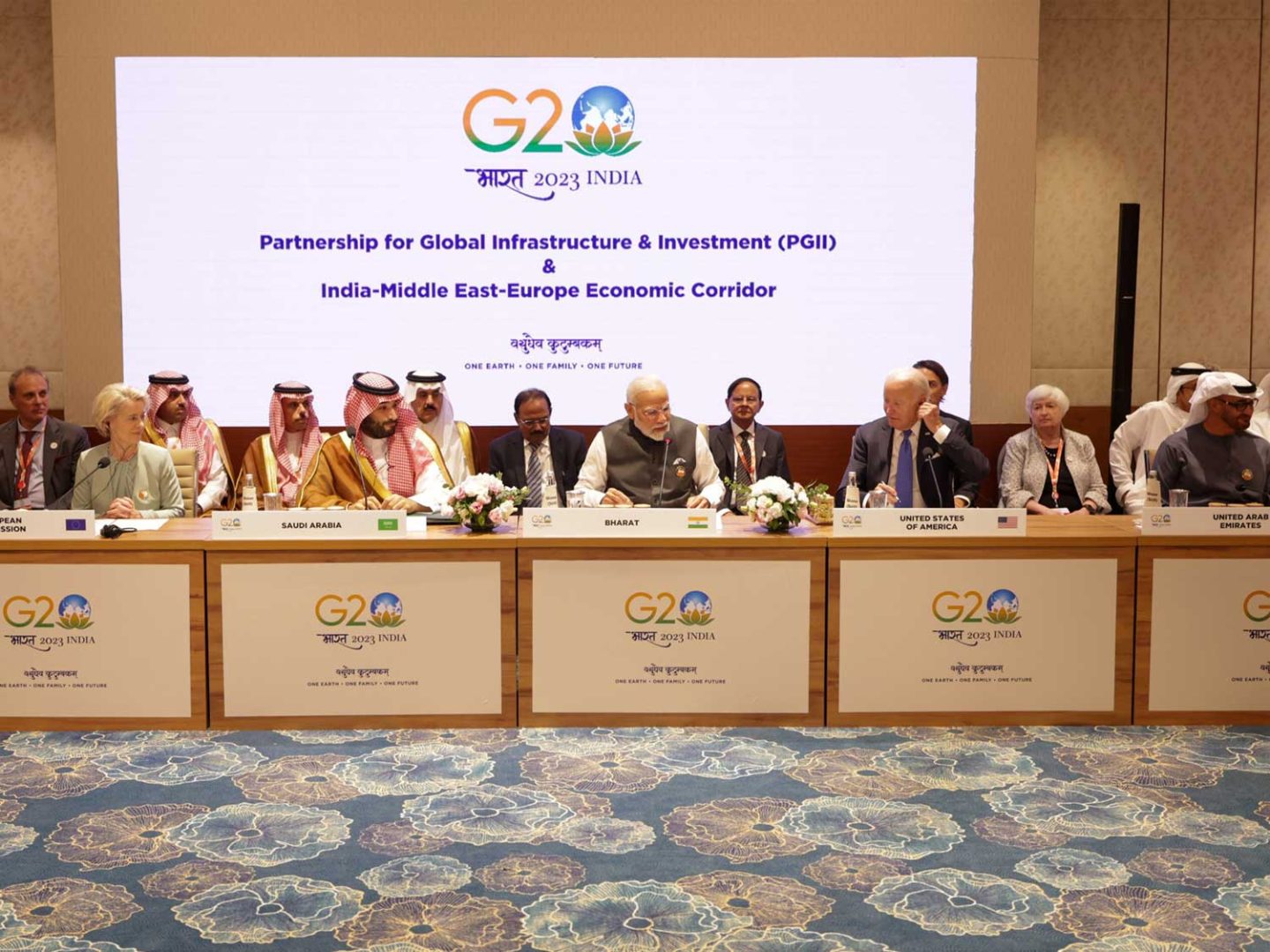
Launched as a strategic counterweight to China’s Belt and Road Initiative, the India–Middle East–Europe Economic Corridor (IMEC) is poised to reshape global trade flows between Europe, India, and beyond.

Backed by a coalition of world powers including the US, EU, India, and key Middle Eastern nations, IMEC promises to link South Asia with Europe through a multimodal network of ports, railways, and digital and energy infrastructure.

Announced during the G20 summit in New Delhi in 2023, the corridor will connect India’s western coast to Europe via the UAE, Saudi Arabia, Jordan, and Israel. From India’s planned Vadhavan deepwater port, ships would cross the Arabian Sea to Jebel Ali in the UAE, with cargo then moving by rail across the Arabian Peninsula to Israel’s port of Haifa. A final sea leg would take goods from the Mediterranean into European markets.

The corridor is designed to shorten transit times between India and Europe by up to 40%, with a summit of IMEC partners planned before the end of 2025 to present concrete initiatives.

With an estimated cost of $600 billion, IMEC also includes undersea data cables and pipelines for green hydrogen, making it as much an energy and digital connectivity play as a trade route.

Initial implementation has focused on India’s western coast, where the Modi government has greenlit the construction of the Vadhavan port. This $9 billion project is designed to handle mega-vessels and includes dedicated terminals for petroleum and automobile imports. Operational capacity is expected to reach nearly 300 million metric tons per year, with phased completion set for 2029.

From Europe’s perspective, IMEC opens up long-term opportunities to diversify supply chains, reduce reliance on volatile routes like the Suez Canal, and deepen strategic engagement with India. Transiting via Haifa not only provides a direct connection into the Mediterranean, but also serves as a hedge against disruptions in the Red Sea, including threats posed by Houthi rebel activity.

However, IMEC’s path is not without hurdles. Political instability in the region threaten the corridor’s viability and experts argue that normalised Saudi-Israeli relations would be key to securing the route, especially to ensure infrastructure security and cross-border cooperation.

India sees IMEC as central to its export-led growth model. Trade flows between India and Europe are forecast to grow by 6% annually through 2032, but current infrastructure cannot handle the expected increase. By offering a more direct and integrated pathway, IMEC positions India as a vital hub in global supply chains.

While financing remains a key challenge, particularly for European stakeholders juggling defence, energy, and industrial spending, IMEC’s geopolitical weight initially secured rare bipartisan backing in Washington. Although the project was launched during Joe Biden’s presidency, with strong US endorsement, the stance of the current administration toward international infrastructure projects remains less defined. Its evolving approach to global trade may not prioritise IMEC with the same intensity.

Images used under CC BY-SA 4.0
IMEC map
GODL-India

With India’s manufacturing capacity expanding and the IMEC corridor set to transform east–west trade, now is the time to re-evaluate your logistics strategy.

Metro is already investing in India’s future, helping global brands tap into a faster, more resilient, and sustainable trade route to Europe.

EMAIL Andrew Smith, Managing Director, to explore how our on-the-ground expertise in India can future-proof your supply chain.

City of London

Economic Uncertainty and Foreign Exchange Volatility

International trade and global shipping has long been shaped by the ebb and flow of economic indicators, currency movements, and policy decisions. But in recent weeks, this interplay has intensified, with significant implications for importers and exporters.

While President Trump’s new trade tariffs have been dominating logistics headlines, attention has shifted to currency markets, where the strength or weakness of key currencies can influence freight costs, shipping routes, and overall competitiveness.

The US dollar’s recent slump to a three-year low against the euro is counter to typical market behaviour. In times of global financial stress, investors usually flock to dollar-denominated assets such as US Treasury bonds, reinforcing the dollar’s strength. But this time, the opposite is happening.

This trend reflects growing uncertainty around US policy, particularly in light of recent comments from Trump’s economic advisers, who argue that the dollar’s reserve status has undermined US manufacturing. There is concern that efforts to weaken the dollar could be revived, with significant consequences for global trade and logistics.

In response to the mounting challenges, the UK Government has taken steps to support British businesses. UK Export Finance (UKEF) has received a £20 billion boost to its lending capacity – now totalling £80 billion – with up to £10 billion set aside to assist those most affected by the US tariffs in the short term. Small and medium-sized businesses will also have access to loans of up to £2 million, providing vital financial headroom to help navigate increased costs and currency volatility.

This Thursday, the European Central Bank (ECB) is due to announce its latest interest rate decision and with inflation figures lower than expected – partly due to the economic impact of new US tariffs – analysts are speculating on an interest rate cut, with the Bank of England expected to follow suit in May in moves which may weaken the euro and pound.

Many freight charges – especially for ocean and air cargo – are priced in US dollars and a weaker dollar can reduce shipping costs. However, the downside is increased volatility, which complicates budgeting and contract negotiations.

Foreign Exchange Snapshots: USD, AUD, EUR

  • USD (US Dollar): Political developments and shifting trade policies have shaken the dollar. A notable shift in foreign direct investment away from China towards nations like Mexico, India, and Vietnam, so-called “friend-shoring”, reflects broader geopolitical realignments that are reshaping global logistics flows.
  • AUD (Australian Dollar): The AUD’s recent movements have mirrored broader market trends, often inversely correlated with the USD. Rising commodity prices and speculation over Reserve Bank of Australia interest rate decisions have driven AUD volatility. For logistics operators trading in the Asia-Pacific region, the AUD remains a currency to watch.
  • EUR (Euro): Europe’s energy dynamics continue to weigh on the euro. As energy imports shift and prices fluctuate, the EUR has responded in kind. The ECB’s monetary policy actions, particularly Thursday’s decision, could provide more clarity and potentially stability for euro-denominated trade.

Currency fluctuations, interest rate changes, and policy uncertainty all impact costs, demand, and delivery schedules. Businesses that invest in data-driven planning, real-time risk assessment, and flexible supply chain strategies will be best placed to weather the volatility ahead.

As the global economy navigates another complex chapter Metro will keep goods moving and supply chains protected, regardless of the challenges ahead.

Navigating the complexities of international trade requires real-time insights and expert guidance. At Metro, we continuously monitor market influences, including currency fluctuations, macroeconomic trends, and evolving regulations, to help you de-risk your supply chain and maximise opportunities.

Make informed decisions with Metro’s strategic support. For trade insights and risk management advice. EMAIL Laurence Burford, Chief Financial Officer.


Parcel post 1440x1080 1

New Tariffs and the End of De Minimis

On 2 April 2025, President Donald J. Trump announced sweeping new tariffs, targeting approximately 60 countries, with China singled out for the most severe action. In response to retaliatory tariffs from Beijing, the United States escalated its own duties, ultimately imposing a 125% tariff on all imports from China, Hong Kong, and Macau, in addition to previously existing tariffs.

While the White House has not made extensive public statements on the topic of de minimis imports – the long-standing policy allowing goods valued under $800 to enter the U.S. duty-free – key guidance released on 2 and 8 April confirms that this exemption will soon be withdrawn for goods from China and Hong Kong.

Escalation of U.S. Tariffs on China
The first of the new tariffs took effect on 4 February 2025, when a 10% duty was introduced on top of the existing Section 301 tariffs. This was increased to 20% on 4 March, and then, on 2 April, President Trump announced a 34% reciprocal tariff, which included a new 10% baseline tariff applicable to all countries starting 5 April.

However, after China retaliated with increased tariffs on U.S. exports, the White House raised the China-specific tariff to 84% on 8 April, and then to a staggering 125% on 9 April. 

This final rate became effective at 00:01 ET on 10 April. These duties are stackable, meaning that in many cases, importers will face a total duty burden of around 145%, factoring in earlier Section 301 tariffs and the new reciprocal tariffs.

De Minimis Policy Changes for Chinese Imports
The de minimis exemption, which allows shipments valued at or below $800 USD to enter the United States without duties or import taxes, is being formally eliminated for goods originating from China and Hong Kong, effective 2 May 2025 at 00:01 ET.

This change follows a period of confusion that began on 1 February, when the White House first announced the end of de minimis for Chinese-origin shipments. 

Implementation on 4 February resulted in significant logistical disruptions, including a temporary halt in parcel acceptance by the United States Postal Service (USPS). The policy was reversed just one day later, on 5 February, to give U.S. authorities time to prepare for full enforcement.

Now, with updated executive orders on 8 April and 9 April, the de minimis exemption will definitively end for China and Hong Kong on 2 May. The administration is also considering extending these rules to Macau.

Starting on that date, goods valued under $800 from China and Hong Kong will be subject to a duty calculated at 120% of the item’s value, and a postal fee of $100 per package. 

The postal fee will rise to $200 on 1 June 2025. These amounts were increased from earlier planned levels of 30% duty and $25/$50 postal fees through the two April executive orders.

Additionally, the exemption will no longer apply to low-value goods shipped through couriers or freight companies—not just postal shipments—ensuring broad application across all shipping channels.

What’s Next?
While the de minimis threshold remains in place for most other countries, both the White House and members of Congress are reportedly reviewing broader changes to this policy. 

For now, the key changes apply specifically to China and Hong Kong, but the political momentum suggests the U.S. may tighten or eliminate de minimis privileges more broadly in the near future.

TIMELINE: Tariffs on China
1 Feb Trump announces elimination of de minimis for China (initially).
4 Feb 10% tariff imposed on Chinese and Hong Kong imports. No drawback or exclusion process.
5 Feb De minimis reinstated temporarily due to USPS overload and customs issues.
4 Mar Tariff on China doubled to 20%.
2 Apr Trump announces 34% reciprocal tariff on 60 countries, starting with China.
5 Apr New baseline 10% reciprocal tariff applies to all countries (excl China).
8 Apr After China retaliates, U.S. increases China tariff to 84%; raises de minimis duty to 90%.
9 Apr Tariff on China raised to 125%. De minimis duty rises to 120%.
10 Apr 125% China tariff becomes effective.
2 May End of de minimis for China and Hong Kong. New duties and postal fees apply.
1 June Postal fee increases for low-value shipments from China.

If you’d like to review any potential impact of tariffs on your supply chain, assess your exposure, or explore strategic options, we’re here to help. Metro is well-placed to support you, backed by our expanded US footprint and strong focus on North American trade flows.

Make informed decisions with Metro’s compliance and regulatory insights. EMAIL Andrew Smith, Managing Director.