Dover blur

Safety and security declarations for EU imports

From 31st January, businesses importing goods from the European Union (EU) to Great Britain (GB) must comply with new UK safety and security declaration requirements.

While some businesses are already prepared – voluntarily submitting around three million declarations annually – many others need to act quickly to ensure compliance.

New requirements explained

Following the UK’s exit from the EU, imports from the EU have been exempt from safety and security declarations. However, this waiver ends on 31st January, bringing EU imports in line with the requirements already applied to goods from the rest of the world.

Safety and security declarations provide pre-arrival information for goods entering GB. These are submitted via the Safety and Security Great Britain (S&S GB) IT platform. By collecting this data, authorities can conduct more intelligent risk assessments, minimising delays for legitimate goods while preventing illegal or dangerous items from entering the country.

Declarations must be completed accurately and submitted before goods reach the GB border. Failure to comply may result in delays, unnecessary checks, or penalties. Businesses are urged to prepare now to avoid disruptions.

All businesses importing from the EU to GB must be aware of these regulations. Hauliers and carriers are legally responsible for submitting declarations, although third parties, such as agents or intermediaries, can submit them on their behalf with consent. Responsibility varies by mode of transport.

Submitting safety and security declarations

Declarations are made via the S&S GB platform. Businesses already set up for importing from outside the EU can continue using their existing systems and datasets. However, they may opt for the reduced dataset for EU imports.

Specialist software is required to submit declarations, as S&S GB does not have a user interface. Businesses can either develop their own software, purchase compatible software, or use the services of a system provider.

HMRC’s advice for shippers is to use customs agents like Metro, that have instructed their hauliers and confirm that they have primary and contingency methods in place.

If changes occur, declarations can be amended at any point before the goods reach the GB border. Once accepted, a Movement Reference Number (MRN) will be issued. This number is essential for goods moving through ports using the Goods Vehicle Movement Service.

Metro’s role in supporting customers

Metro will handle these new requirements on behalf of its customers, ensuring compliance and minimising disruption. With expertise in customs processes and advanced systems like its proprietary CuDoS platform, Metro simplifies declaration submissions while maintaining 99% accuracy and rapid processing times.

This proactive approach ensures goods continue to move smoothly, enabling businesses to focus on growth while Metro manages the complexities of import declarations. For businesses navigating these changes, Metro provides the expertise and technology to stay compliant and avoid unnecessary delays.

Webinar

Metro’s customs team ran a webinar on Friday 31st January – “Navigate 2025: Customs Challenges and Changes with Confidence” – to explain these and other customs changes.

Hosted by Andy Fitchett, Head of Customs & Compliance and Matt Weight, Director of Key Accounts, the webinar reviewed new regulations, processes, and challenges for businesses across the UK and Europe, including:

– Mastering Safety and Security Declarations for EU imports.
– Updates on the New Computerised Transit System (NCTS) Phase 5.
– Understanding the Carbon Border Adjustment Mechanism (CBAM) and its impact.
– DEFRA updates, market news, and more!

You can download the presentation material from the Webinar, or watch a recording of the webinar.

CLICK to download content

CLICK to view webinar

Metro are at the forefront of customs brokerage solutions, with our automated CuDoS declaration platform and dedicated team of customs experts, reacting swiftly to any changes in the UK and EU’s trading regimes.

To learn more about safety and security declarations, OR to see how we can simplify and automate customs declarations – please EMAIL Andy Fitchett, Brokerage Manager.

Trump tariffs on mobile 1440x1080 1

The risks of President Trump’s trade policies

President Donald Trump’s inauguration speech and subsequent executive orders have provided further insights into his proposed trade policies. 

His emphasis on protectionism, territorial expansion, and the establishment of an “External Revenue Service” marks a significant shift in the approach to international trade, raising concerns among stakeholders in global supply chains.

While intended to prioritise domestic economic growth, these policies could have far-reaching consequences for international trade, supply chains, and geopolitical stability.

In his inauguration speech, President Trump stated a commitment to reversing what he views as exploitative trade practices. Key elements of his vision include:

Tariffs and Revenue Generation: Trump announced the establishment of an “External Revenue Service” to manage tariffs, duties, and revenues, asserting that this would generate “massive amounts of money pouring into our treasury coming from foreign sources.” He also hinted at potential tariffs of 25% on imports from Mexico and Canada, with implementation possibly starting as early as February.

Territorial Expansion and Strategic Assets: In a surprising claim, Trump indicated intentions to “take back” the Panama Canal, erroneously stating that China operates it. He further noted ambitions to expand US territory, with implications for regions like Panama, Greenland, and Canada. These statements have added to geopolitical uncertainties.

Inflation Concerns: Despite his stated goal of reducing inflation, Trump’s emphasis on tariffs directly contradicts this aim. As economic experts have pointed out, tariffs tend to increase costs for businesses and consumers, creating inflationary pressures.

Implications for Global Trade and Supply Chains

Tariffs and Retaliation
The proposed tariffs, including the suggested 25% levies on Mexico and Canada, pose a risk of retaliation from trading partners. Such measures could disrupt the smooth flow of goods, increase trade barriers, and lead to a cycle of reciprocal tariffs. Industries like automotive, manufacturing, and electronics, which rely heavily on global supply chains, would be particularly affected.

These policies also threaten to undermine trade relationships between the US and its partners, creating uncertainty for businesses dependent on predictable supply chain operations.

Inflationary Impact
Trump’s claim that tariffs would enrich the US by taxing foreign countries misrepresents how tariffs function. In reality, these costs are borne by importers and ultimately passed on to consumers in the form of higher prices. This would likely lead to inflation, contradicting the administration’s stated goal of reducing costs and combating record inflation.

Geopolitical Tensions
Trump’s assertion regarding the Panama Canal and broader territorial ambitions increases geopolitical uncertainties. Control of key trade corridors like the Panama Canal is crucial for global shipping routes, and such rhetoric risks destabilising international relations. The suggestion of US territorial expansion further complicates trade dynamics, with potential repercussions for trade routes and global commerce.

Impacts on the UK and Europe
For the UK, the indirect effects of Trump’s policies are concerning. Europe, a key trading partner for the UK, may face economic disruptions due to strained US-EU trade relations. The UK’s automotive, machinery, and chemicals sectors, which rely on seamless integration with European supply chains, could experience higher costs, delays, and reduced demand.

Additionally, retaliatory measures by China and other US trading partners may flood global markets with cheaper goods, increasing competition for European industries and indirectly affecting UK exporters.

At Metro, we leverage award-winning services and deep market expertise to help businesses navigate the challenges posed by new tariffs, rising trade barriers, and supply chain disruptions. Whether it’s mitigating the impact of rising trade barriers, reconfiguring supply chains to address changing energy policies, or responding to broader global and UK economic developments, Metro provides tailored insights and solutions to ensure your success.

In times of uncertainty, preparation is key. With Metro as your trusted partner, you can adapt and thrive in this evolving landscape.

Contact Managing Director Andy Smith today to explore how we can safeguard your supply chain and help you navigate the complexities of 2025.

Suez map

Container shipping braces for volatility as Red Sea routes beckon

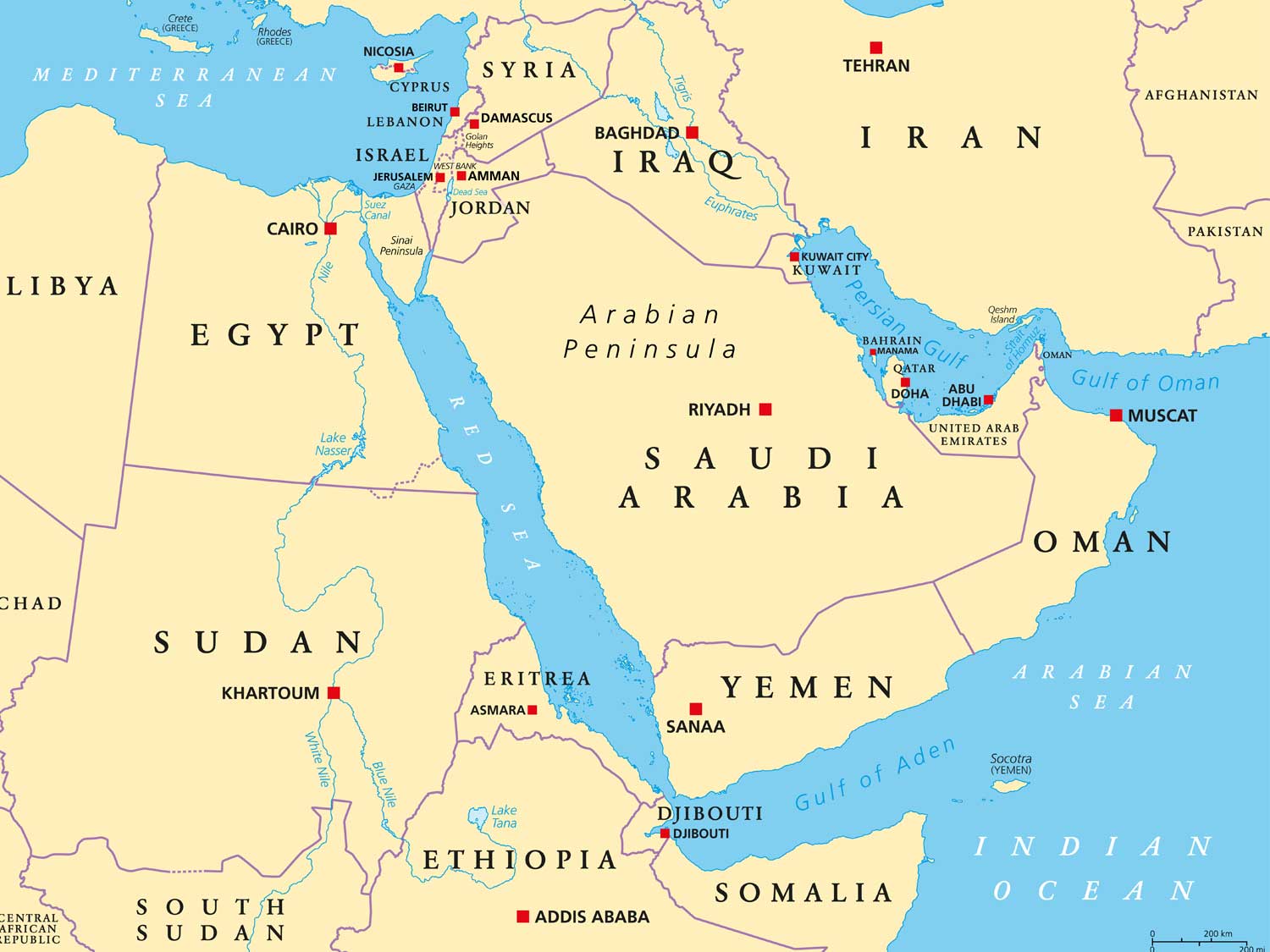
For over a year attacks on merchant vessels by Houthi militants has forced container carriers to reroute around the Cape of Good Hope. However, a newly established ceasefire and assurances from Houthi forces to limit attacks on non-Israeli vessels signal the possibility of a return to the Suez Canal route.

The ceasefire in Gaza and Houthi pledges to cease attacks on most vessels offer cautious optimism for carriers, who have stated that they will only return to Red Sea transits “when it is safe to do so”.

The assurance that ships will not be targeted, alongside a reduction in hostility towards vessels calling at Israeli ports, should pave the way for safer Red Sea transits.

However, the situation remains fragile. The Houthis have reserved the right to resume attacks should aggression occur in Yemen, and their targeting of Israeli-flagged or wholly Israeli-owned vessels persists. Furthermore, full implementation of the ceasefire agreement’s later stages is crucial for long-term stability.

Capacity oversupply threatens
While the reopening of the Red Sea route presents an opportunity to streamline shipping operations, it also introduces significant challenges.

Currently, close to 100% of container vessels avoid the Suez Canal, diverting around Africa and effectively removing over 12% of fleet capacity. This artificial tightening of capacity has driven freight rates to significantly higher levels in 2024, with spot rates more than tripling on some trades.

The return to shorter voyages through the Suez Canal will flood the market with capacity, dramatically altering the supply-demand balance. Analysts predict carriers will struggle to absorb the 1.8m TEU excess, with scrapping and slow steaming unlikely to offset the impact.

Operational challenges
Resuming Red Sea transits will also bring logistical hurdles. Carriers face the complex task of realigning schedules disrupted by the year-long diversions. Ships arriving earlier or later than expected at ports could lead to congestion and delays, adding to the strain on global supply chains.

Port congestion, particularly in Europe, is a key concern. A surge in vessel arrivals could overwhelm infrastructure, causing temporary backlogs that disrupt the smooth flow of goods. The shipping industry must also contend with record deliveries of new vessels, further compounding capacity issues.

While the reopening of the Red Sea route offers opportunities to reduce transit times and operational costs, the transition is unlikely to be smooth. The combination of excess capacity, volatile freight rates, and logistical challenges will create uncertainty in the short term.

With geopolitical risks casting uncertainty over the industry, building resilient supply chains, securing comprehensive cargo insurance, and managing budgets effectively will be essential for navigating the 2025 sea freight landscape.

In this volatile market, our marine insurance cover and fixed-rate agreements on key shipping routes help minimise risk and provide budgetary stability.

To discover how Metro’s insurance solutions and fixed-rate options can support your business in 2025, please EMAIL Managing Director Andy Smith.

Cathay tailfins 1440x1080 1

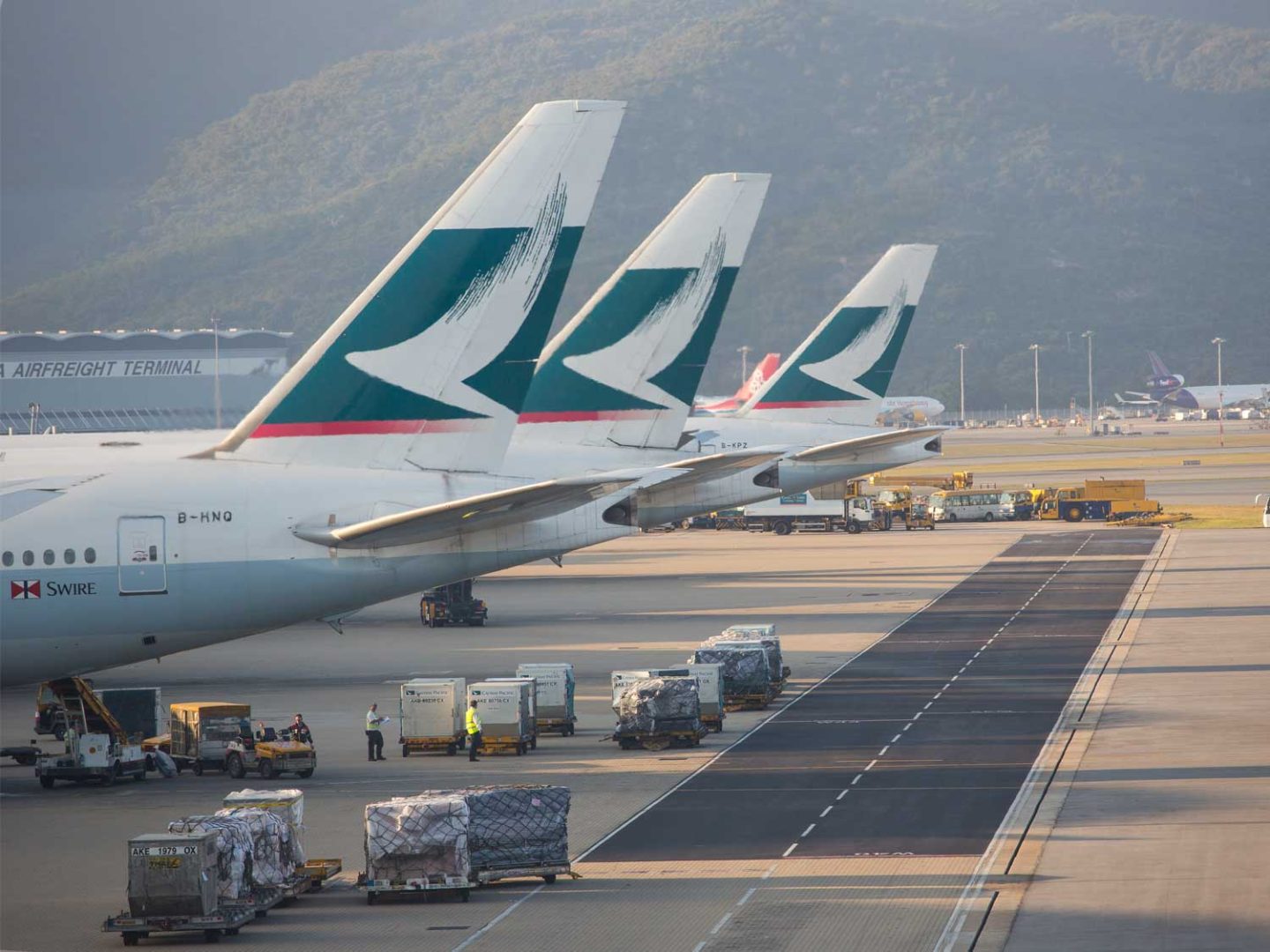
Asia–Europe airfreight: Growth and vulnerabilities

Despite growth and robust demand airfreight faces significant challenges, including reliance on eCommerce, capacity pressures, and geopolitical disruptions.

Airfreight demand on the Asia–Europe route saw a strong performance in 2024, bolstered by eCommerce, automotive parts, pharmaceuticals, garments and high-value electronics. Despite a slowdown in Europe’s domestic electric vehicle (EV) market, manufacturers have maintained steady shipments of EV-related spare parts to ensure regional stock levels. Meanwhile, high-value and time-sensitive automotive components remain key drivers of growth.

Pharmaceuticals and perishable goods have seen consistent demand on routes from Europe to Asia, with semi-conductor equipment and machinery playing a significant role. Electronics, one of the region’s most valuable cargo types, continues to move in high volumes, reflecting growing technological and consumer demands across Europe and Asia.

eCommerce slowdown exposes dependency

Despite surging demand for general cargo like electronics, automobile parts and garments out of India, Vietnam and Thailand, the airfreight sector’s strong reliance on eCommerce has been a double-edged sword. While the pandemic initially spurred a boom in eCommerce shipments, recent months have seen a sharp decline, with eCommerce volumes dropping significantly since the start of the year,, particularly from China.

Retailers’ full inventories and softer consumer demand have exacerbated this trend, leaving carriers grappling with reduced activity levels. While other verticals, such as pharmaceuticals and automotive, remain stable, the gap left by diminishing eCommerce volumes presents an ongoing challenge.

Capacity challenges and geopolitical pressures

Capacity remains a key issue on the Asia–Europe route. Airlines have deployed additional resources, including charter flights, to manage peak-season bottlenecks. However, this has come at a premium, with carriers competing for limited space amid strong demand for specific commodities.

Geopolitical factors have further complicated operations. The closure of Russian airspace forced carriers to reroute flights, leading to longer journey times, higher fuel consumption, and increased costs. European carriers also face competition from new Chinese entrants and Middle Eastern airlines have added another layer of complexity. This competition, while offering more options, has compressed margins for traditional carriers.

Balancing resilience with adaptation

Looking ahead, the Asia–Europe airfreight trade lane must strike a balance between resilience and adaptation. While commodities such as automotive parts, pharmaceuticals, garments and high-tech goods provide a stable foundation, diversification across more verticals will reduce vulnerabilities.

Capacity pressures and geopolitical disruptions will require innovative solutions, from optimising routes to strengthening partnerships with supply chain stakeholders.

Metro is here to help you navigate these complexities with tailored solutions that ensure reliability, cost-efficiency, and resilience.

Our airfreight, charter, and sea/air services are designed to handle urgent and sensitive shipments with precision. By leveraging block space agreements (BSA) and capacity purchase agreements (CPA), we lock-in space and competitive rates on the busiest trade lanes.

Whatever you’re shipping, Metro’s expertise and strategic carrier partnerships can optimise your supply chain while saving you money.

EMAIL Elliot Carlile, Operations Director, today to explore how Metro’s solutions can support your business on the Asia–Europe trade lane and beyond.