Singapore boats at anchor 1440x1080 1

Asian Cargo Surge Threatens to Overwhelm North Europe Ports

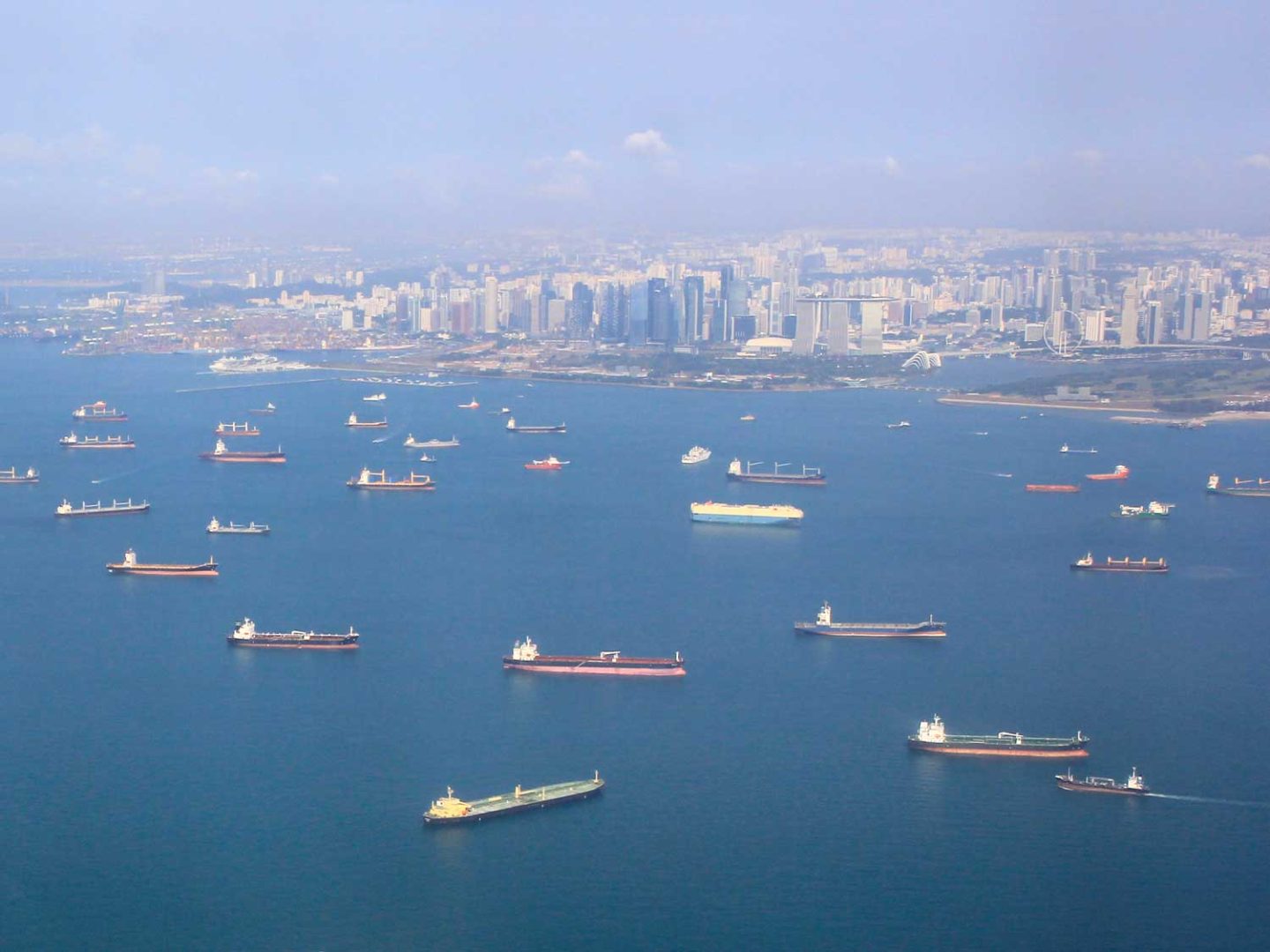
North Europe’s container gateways face a turbulent August and September as a surge of inbound cargo from Asia collides with already stretched terminal operations.

Strong import demand through the first half of the year has driven double‑digit growth in volumes, with the peak season now set to push many ports to breaking point.

For months, operators have battled chronic congestion, with delayed vessel arrivals throwing schedules into disarray and container yards struggling under sustained high occupancy. The anticipated wave of summer imports will magnify these pressures, raising the risk of longer delays and service disruption well into the autumn.

Rising volumes, falling reliability
Exports from Asia to Europe have maintained strong growth into the second half, with China–EU shipments in particular climbing at a double‑digit rate year‑on‑year. This pattern typically sees July sailings arrive in Europe through August and September, concentrating peak loads into an already fragile network.

Schedule reliability has deteriorated sharply. On‑time arrivals for Asia–North Europe services have dropped from more than two‑fifths in May to less than one‑third in July. Larger vessels deployed to circumvent southern Africa are adding to the strain, extending berth stays and raising yard utilisation. Prolonged transit times are feeding greater volatility and unpredictability across the supply chain.

Not all ports are equally affected, but the most severe congestion has been concentrated at London Gateway, Antwerp, Hamburg, and Rotterdam. Antwerp and Hamburg are further hampered by high barge delays, worsened by low water levels restricting inland waterway capacity. Some gateways still report healthy throughput, yet overall capacity buffers are now minimal.

Carrier work‑arounds
Lines are adjusting strategies to ease bottlenecks. Some are replacing transhipment legs with direct calls to Scandinavian ports, reducing container moves by two‑thirds on certain routes. Others are diverting volumes away from heavily congested hubs or shifting calls to less‑utilised terminals such as Le Havre, Zeebrugge, Bremerhaven, and Wilhelmshaven.

Carriers are also moving boxes from deep‑sea terminals into inland depots to free yard space, although low Rhine water levels continue to limit barge utilisation. With inland capacity already tight, this offers only partial relief.

While tactical adjustments may prevent a complete choke‑point, the outlook for the remainder of the summer remains challenging. Persistent high demand, combined with limited progress in clearing congestion, suggests the sector will remain under pressure until at least the final quarter of the year.

Metro’s sea freight teams are actively monitoring port performance, vessel schedules, and rate movements across all major trade lanes. We work with customers to secure priority bookings, optimise equipment and container allocation, and design alternative routings to avoid bottlenecks and minimise disruption.

Email Managing Director, Andrew Smith, to discuss current market conditions, risk‑mitigation strategies, and booking solutions tailored to your business priorities.

LAX 1440x1080 1

Transatlantic Air Cargo: Calm Surface, Hidden Currents

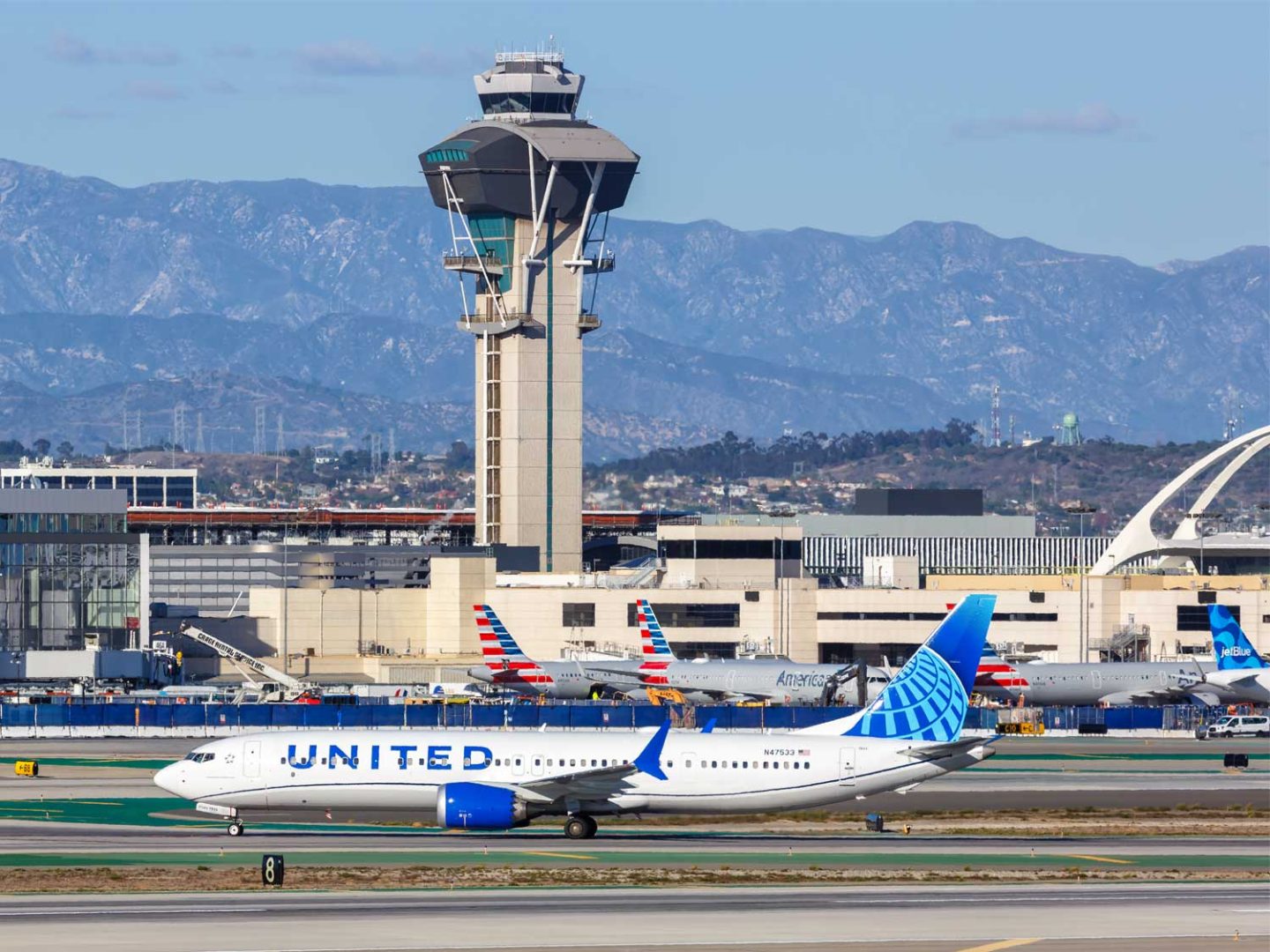
The transatlantic air cargo market may appear steady, with stable capacity and rates, but beneath this surface calm, subtle shifts are reshaping flows, costs, and opportunities, especially on niche routes like Canada–Europe and Mexico–Europe.

While wide-body and freighter capacity from Europe to North America has edged up around 2% so far this year, the opposite direction has slipped by about 1%. Recent months, however, reveal sharp month-on-month jumps, with capacity from Canada to Europe up 14%, and Europe to Canada up 16%. Airlines like Air Canada and Air France-KLM have expanded significantly, while others have held or slightly reduced services.

The capacity surge on Canada–Europe routes coincides with the summer holiday season, boosting passenger belly-hold space. But freight data points to something more: flown tonnages from Europe to Canada jumped around 10% in early July compared with the previous three weeks, though without a corresponding rise in average rates…yet.

On the pricing front, the top end of spot rates between Canada and the UK nearly doubled at the end of June, while France–Canada rates also climbed sharply. Strengthening UK–Canada trade ties, including the UK’s accession to the Comprehensive and Progressive Agreement for Trans-Pacific Partnership (CPTPP), are likely adding further momentum, potentially lifting logistics demand across both ocean and air freight.

Elsewhere, European exporters have seen steady or rising air cargo flows to North America:

Italy has boosted air exports to the US by over one-third, focusing on fashion goods.
France has lifted exports by nearly half, driven by luxury and pharmaceuticals.
Norway fish exports to the US have surged over 50%.
Ireland, concerned about possible US tariffs on pharmaceuticals, has seen air rates to the US climb since May, with sharper increases in July.

Softening Signs, But Cautious Optimism
Overall, transatlantic rates have eased with the arrival of summer and additional belly capacity, particularly on mainline Europe–US routes. Expect stable or slightly reduced spot pricing, typical for this seasonal slack period. However, some airlines are expressing optimism for the second half, buoyed by promising early signals from peak season negotiations.

A delayed US tariff deadline (now 1 August) and new trade measures affecting partners like Japan and South Korea could prompt a short-term wave of airfreight “front-loading.” Longer-term, shifting freighter capacity from Pacific routes toward the transatlantic may rebalance the market, while the removal of US de minimis import exemptions will reshape eCommerce flows into the US.

While today’s transatlantic air cargo market may seem subdued, pockets of demand and policy uncertainty are quietly stirring the waters. Shippers need to be agile to capture emerging opportunities and be prepared for the unexpected.

Metro’s dedicated air freight team and expanding U.S. presence help shippers navigate shifting transatlantic flows with confidence. From capacity management and multimodal routing, to agile supply chain management and inventory visibility, we keep your air cargo moving smoothly — across the Atlantic and around the world. EMAIL our Managing Director, Andy Smith, to learn more.

Houthis 1440x1080 1

Red Sea Return Scuttled by Houthi Vessel Sinking

The deadly July 7 attack on the Eternity C cargo vessel by Yemen’s Houthi rebels marks one of the most severe escalations yet in the Red Sea shipping crisis, reinforcing the view that this vital trade artery will remain off-limits for carriers through 2025. 

The Red Sea, via the Suez Canal, typically handles 30% of global container trade, linking not only Asia and Europe but also acting as a vital transit point for goods moving between Asia and North America, the Mediterranean, and even parts of Africa and Latin America. 

With most container ships now rerouting via Africa’s Cape of Good Hope, what began in late 2023 as a regional security issue has become a global supply chain disruptor, sending shockwaves far beyond the Asia-Europe corridor.

The Global Supply Chain Butterfly Effect

Asia–North America East Coast
Goods from China, Southeast Asia, and India bound for the U.S. East Coast often transit the Suez Canal. Rerouting extends voyages by up to 14 days, tightening container availability, raising costs, and pressuring ports on both coasts to manage capacity mismatches.

Africa–Europe and Africa–Asia
African exporters, including agricultural and mineral suppliers, face longer, costlier routes to reach European and Asian markets, challenging businesses from cocoa traders in West Africa to cobalt miners in the DRC.

Middle East–Europe Energy
Beyond containerised cargo, 20% of global LNG trade and 30% of global oil flows pass through the Red Sea and Strait of Hormuz. Disruptions here drive up global energy prices, affecting industries and consumers worldwide, from European factories to Latin American fuel markets.

Global Shipping Networks
With more ships tied up on extended routes, the global pool of available vessels is effectively reduced, tightening capacity on other trades, including the transpacific (Asia–U.S. West Coast) and transatlantic (U.S.–Europe), even though they don’t pass through the Red Sea.

Industry Effect

Automotive: Impacting not just Europe, but also in North America, as Tier 1 suppliers depend on globally sourced components.

Retail & Fashion: Global brands with cross-regional supply chains face timing, cost, and margin pressures.

Food & Agriculture: Grain, rice, coffee, and fruit trades are experiencing higher freight costs, threatening price inflation in developing markets.

Electronics: Longer lead times impact consumer electronics and critical components like semiconductors.

What’s clear is that the Red Sea crisis is not just a regional challenge. It’s a global supply chain stress test, that will continue to demand resilience, agility, and innovation for some time.

Metro’s supply chain management expertise and advanced MVT technology help shippers adapt on the fly; rerouting cargo, shifting transport modes, and even switching suppliers with agility and precision. From high-level network redesign to SKU-level control, we empower you to overcome disruption with confidence. EMAIL Managing Director, Andy Smith, to learn more.

Trumps tariffs 1440x1080 1

Court Ruling Challenges Trump’s Trade Strategy Amid Global Uncertainty

A U.S. federal court has ruled that President Donald Trump’s sweeping “Liberation Day” tariffs are illegal — delivering what may prove to be a major blow to his trade policy agenda, or simply a temporary setback.

On May 28, 2025, the United States Court of International Trade determined that President Trump exceeded his authority under the International Emergency Economic Powers Act (IEEPA) by imposing broad tariffs on imports from numerous countries. The court found that the administration’s justification did not meet the IEEPA’s requirement of an “unusual and extraordinary threat,” rendering the tariffs an improper use of executive power.

The three-judge panel unanimously held that the IEEPA does not authorise the president to unilaterally impose such sweeping tariffs, stressing the need for a clear mandate from Congress when it comes to major economic decisions. As a result, the court issued a permanent injunction against the tariffs and ordered U.S. Customs and Border Protection to stop collecting them.

The ruling requires that the tariffs be halted within 10 days. The Trump administration has announced plans to appeal, which could take the case to the U.S. Court of Appeals for the Federal Circuit.

Implications for Trade Policy
This decision directly challenges a key pillar of Trump’s trade strategy, which has leaned heavily on tariffs to address trade imbalances and shield U.S. industries. It may also influence ongoing negotiations with key partners such as the European Union and the United Kingdom by casting doubt on the legal basis for unilateral U.S. tariff actions.

While the court invalidated the sweeping global tariffs introduced on April 2 — including the baseline 10% levy and “reciprocal” duties — it did not strike down the administration’s sector-specific tariffs on imports like steel and cars, which remain in force.

The ruling is expected to embolden critics of Trump’s tariff policy across corporate America, foreign capitals, and Capitol Hill. It also comes at a sensitive moment for the administration, which is working to finalise new trade deals after suspending many of the planned tariff hikes.

The legal setback introduces fresh uncertainty into an already volatile global trade landscape — and may ultimately reshape how domestic and international actors engage with U.S. trade policy in the months ahead.

Stay informed as the US tariff and trade landscape evolves. Go to our home page to subscribe to our eBulletin updates for expert insight on the rulings, appeals, and what it all means for your supply chain strategy.