Ocean market report 1440x1080 1

Stay Ahead with Metro’s Ocean Freight Market Update

In the ever-changing world of global trade, staying informed is not just an advantage, it’s a critical necessity. That’s why Metro provides the Ocean Freight Market Update, a comprehensive, data-driven report designed to help businesses navigate the complexities of container shipping.

Subscribers to this monthly report gain valuable insights into spot, short- and long-term rate trends, carrier reliability, port congestion, canceled sailings, sustainability initiatives, and more—ensuring they can make informed, strategic decisions in real-time.

Highlights from the March 2025 Ocean Freight Market Update

Rate Developments: Despite attempts to impose general rate increases (GRIs), rates on Far East Westbound trade lanes have softened. Volatility is expected through April, with Asia-Europe lanes facing capacity shortages.

Schedule Reliability & Port Congestion: Global vessel reliability dipped slightly to 50-55%, while major ports like Singapore, Busan, and Piraeus continue to experience significant congestion.

Bunker & Biofuels Transition: The shipping industry is accelerating its shift toward decarbonisation, but new EU carbon emissions surcharges are increasing costs.

Supply & Demand Outlook: An 8% increase in capacity versus just a 3% rise in demand suggests blank sailings will be necessary to balance market conditions.

Red Sea Transits: Major carriers continue to avoid the Suez Canal due to ongoing security concerns, maintaining Cape of Good Hope reroutes.

Why Subscribe?
Metro’s Ocean Freight Market Update is an unbiased, intelligence-driven resource backed by data from leading industry sources. In a landscape shaped by supply chain disruptions, regulatory shifts, and market fluctuations, having access to timely, expert insight is more critical than ever.

Subscribe now to receive monthly updates straight to your inbox and stay ahead in the dynamic world of ocean freight.

Contact your Key Account Director, or EMAIL Lucy Hulston to subscribe and receive the latest update.


Stressed businessman 1440x1080 1

Seven supply chain shocks in seven weeks

Just seven weeks into 2025, global supply chains have already faced a whirlwind of challenges.

From industrial action to trade barriers and shifting alliances, businesses must stay agile to navigate ongoing disruptions. Here are seven of the most impactful developments so far this year.

1. US east coast port strike averted (8th January)
A major disruption was narrowly avoided as the International Longshoremen’s Association (ILA) and United States Maritime Alliance (USMX) reached a tentative six-year agreement. The deal, approved on 7 February, prevented a strike that could have crippled US east coast ports for months. A final vote on 25 February will confirm its ratification.

2. Uncertainty over Suez Canal return (19th January)
Despite a fragile ceasefire in Gaza, container ships will not be returning to the Red Sea anytime soon. Carriers remain cautious, fearing renewed instability and prioritising the established Cape of Good Hope diversions. Even if ships do resume transit, severe disruption is expected, with schedules taking up to two months to stabilise.

3. Trump’s trade policies spark concerns (20th January)
Following his inauguration, President Trump swiftly reignited trade tensions, threatening tariffs on Colombia, China, Canada, and Mexico. Proposals include a 25% levy on steel and aluminium from Canada and Mexico, with reciprocal tariffs also being considered for UK imports. The potential trade war could have widespread consequences for global supply chains.

4. US air cargo demand under threat (1st February)
Trump’s decision to impose a 10% tariff on all Chinese imports and temporarily suspend the de minimis exemption for low-value Chinese shipments has sent shockwaves through the air freight sector. While the exemption was reinstated, changes to eCommerce regulations could significantly disrupt air cargo flows into the US, which is expected to receive 1.4 billion eCommerce packages this year.

5. New Asia shipping alliances reshape trade (2nd February)
The long-anticipated shift from three major container alliances (Ocean, THEA, 2M) to four key players (Ocean, Premier, Gemini, MSC) is now in effect. Asia-North Europe scheduled liner capacity will shrink by 11%, yet the number of weekly sailings will increase from 26 to 28. These changes will reshape global shipping networks for years to come.

6. European road freight rates stabilising (4th February)
After three years of decline, European road freight spot rates may have hit their lowest point. According to the European Road Freight Rate Benchmark, spot rates fell just 1% year-on-year in Q4 2024. While demand remains weak, cost pressures have kept rates 15% above pre-pandemic levels, with short-term volatility expected.

7. Carriers cut sailings to stabilise rates (14th February)
Shipping lines are aggressively blanking sailings to ease the transition to new alliance schedules and sustain freight rates. Between 17 February and 23 March, 51 sailings have been cancelled across key east-west trade routes, with February’s cancellations rising to 133 from 104 in January. Further capacity withdrawals and a general rate increase (GRI) could follow if demand fails to recover.

With trade disputes, shipping realignments, and geopolitical instability shaping global supply chains, the first quarter of 2025 has already presented significant challenges.

Staying ahead requires proactive strategy adjustments to mitigate risks and build resilience. That’s why we share these insights and why your Metro account management team is always by your side, ready to provide expert advice, share knowledge, and develop bespoke solutions tailored to your supply chain needs.

For high-level support, EMAIL Andrew Smith, Managing Director.

White House 1440x1080 1

Uncertainty grows as US tariffs target China

While last-minute negotiations resulted in a temporary reprieve for Canadian and Mexican imports, President Trump’s new tariffs on Chinese goods from the 4th February have already triggered retaliation, adding further pressure to international supply chains.

US tariffs on Canadian and Mexican imports have been put on hold for at least 30 days following security commitments from both nations. This delay offers temporary relief for critical trade lanes, including automotive components, electronics, and pharmaceuticals.

Canada has pledged increased border enforcement measures, including new personnel and surveillance technology, while Mexico has committed to deploying additional forces to its border. These actions have led to a pause in tariffs, but shippers should remain cautious as negotiations continue, with the risk of duties being reinstated if agreements are not finalised by March.

The US administration has implemented an additional 10% tariff on Chinese imports and in response China has introduced tariffs of up to 15% on selected US goods and imposed export controls, affecting critical technologies such as solar cell production. While these measures appear targeted, they contribute to an increasingly volatile trade environment, forcing businesses to reconsider sourcing strategies and logistics solutions.

US prepares further trade restrictions

Beyond tariffs, the US is tightening its stance on eCommerce imports by getting ready to suspend the de minimis exemption for shipments from China, as soon as adequate systems are in place to fully and expediently process and collect tariff revenue. Previously, goods valued under $800 could enter the US duty-free, but the removal of this exemption would be expected to severely impact cross-border eCommerce air cargo volumes.

In addition, new regulations, announced by US Customs and Border Protection, introduce additional filing requirements, increasing administrative burdens on online retailers and logistics providers. However, analysts suggest that while higher costs may impact some importers, consumer demand is unlikely to diminish significantly, given the relatively low average value of eCommerce purchases.

With ongoing negotiations between the US, Canada, and Mexico, and China’s measured response to tariffs, industry leaders remain cautiously optimistic. However, agility will be essential in navigating evolving trade policies and regulatory changes. As new agreements are brokered and tensions shift, shippers must remain adaptable to mitigate risks and capitalise on emerging opportunities.

As global trade policies shift and new tariffs reshape supply chains, proactive planning is more critical than ever. At Metro, we leverage award-winning services and deep industry expertise to help businesses navigate evolving trade barriers, regulatory changes, and supply chain disruptions.

Whether you need to mitigate the impact of tariffs, ensure compliance with new regulations, or adapt sourcing/export strategies, our tailored solutions keep your supply chain resilient and competitive.

EMAIL Andy Smith, Managing Director, today to explore how Metro can safeguard your supply chain and support your business in 2025 and beyond.

LAX 1440x1080 1

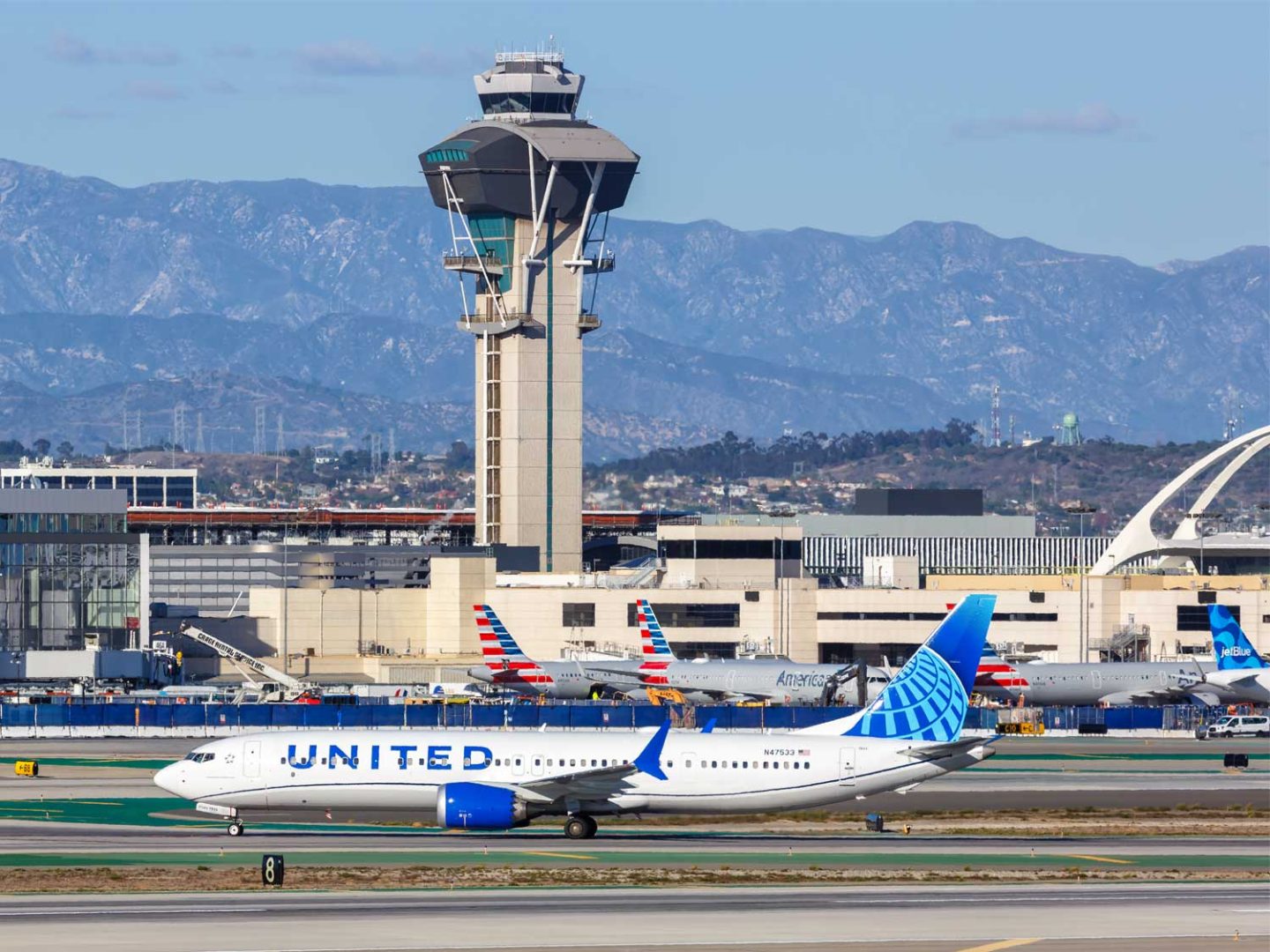
Air cargo demand defies regulatory uncertainty

In the final week of January, just before Lunar New Year, air freight spot rates continued their upward trend, rising 4% WoW and remaining 11% higher than 2024, supported by strong demand and tight capacity.

Market conditions remained resilient, with Asia-Pacific leading the growth as businesses rushed shipments before factory closures. While tonnages and spot rates have risen steadily in recent weeks (2% and 6%), comparisons to previous years are complicated by the earlier timing of Lunar New Year in 2025.

Asia Pacific to Europe volumes rebounded for a third consecutive week, approaching levels seen in mid-December. Similarly, demand on the transpacific route increased after a seasonal decline, with volumes and rates gradually strengthening. Despite some fluctuations, the market remains significantly stronger than last year, with rates holding firm and demand outpacing 2024 levels.

Regulatory headwinds create uncertainty

Despite a strong start to the year, regulatory developments in the US are introducing new challenges for air cargo. The shift toward protectionist policies has created uncertainty, particularly following the recent trade dispute with Colombia, where tariff threats were used as a negotiation tool. This approach signals a departure from predictable, rule-based trade agreements, raising concerns over future disruptions.

Uncertainty also surrounds changes to US de-minimis rules, which previously allowed low-value imports under $800 to enter tax-free. The exemption for Chinese goods has been suspended, a move expected to disrupt eCommerce shipments that have fuelled air cargo growth. Additionally, new filing requirements proposed by US Customs and Border Protection (CBP) would impose additional administrative burdens on cross-border eCommerce, impacting the more than 1.4 billion packages expected to enter the US this year.

Despite these concerns, industry experts believe the impact on consumer behaviour may be minimal, as the average value of eCommerce purchases is relatively low, suggesting that elevated eCommerce volumes may continue. While increased taxation could affect logistics costs, major policy shifts would require legislative approval, making immediate changes unlikely.

Outlook

While demand is still slightly below December’s peak, it has surpassed October levels, suggesting continued resilience. Over the past five weeks, available cargo capacity has increased across all major regions, with Europe and North America experiencing the most significant growth. Chargeable weight trends varied by region, with notable year-on-year increases in Asia Pacific and Africa, while other regions remained relatively stable.

Industry leaders emphasise the need for agility in navigating shifting trade policies, drawing parallels to the Year of the Snake, which symbolises adaptability. While challenges remain, the consensus is that air cargo demand will remain strong into 2025, with the market well-positioned to weather logistical and regulatory changes.

Metro’s airfreight, charter, and sea/air solutions strike the perfect balance of speed, cost-efficiency and resilience for time-sensitive, urgent and high-value shipments.

With block space agreements (BSA) and capacity purchase agreements (CPA) in place, we secure priority access to space and competitive rates on the busiest trade lanes. 

Whatever you’re shipping, our expertise and strategic carrier partnerships keep your cargo moving—on time and within budget.

Stay ahead in a volatile market. EMAIL Elliot Carlile, Operations Director, today to explore how Metro can support your business.