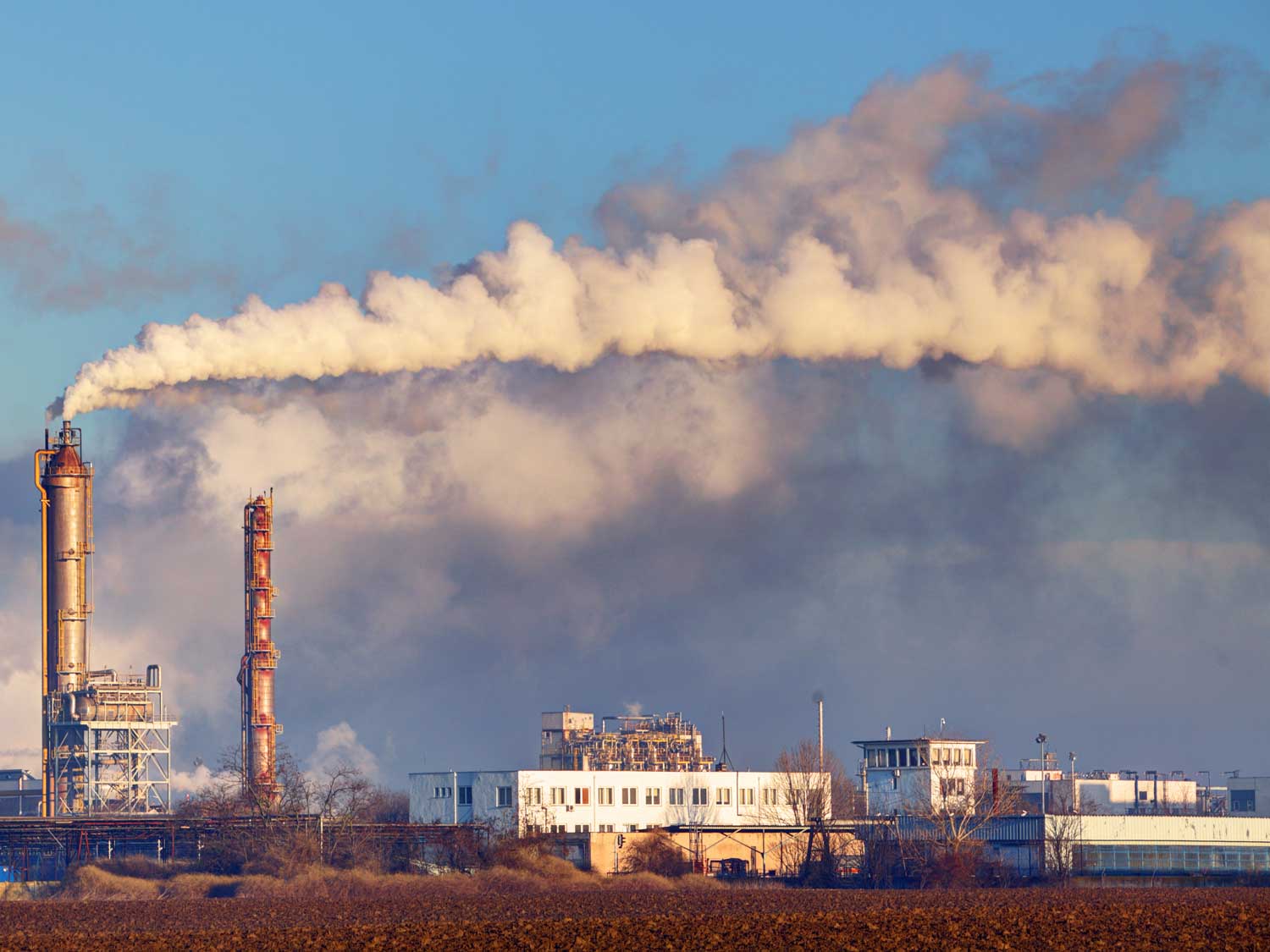
CSRD: Turning Mandatory Reporting into a Competitive Edge

CSRD: Turning Mandatory Reporting into a Competitive Edge

The European Union’s Corporate Sustainability Reporting Directive (CSRD) makes sustainability disclosures mandatory for thousands of companies. Deloitte’s recent assessment of 200 early adopters reveals both compliance challenges and an emerging opportunity to use reporting as a strategic differentiator.

The CSRD sets new standards for transparency, requiring businesses to detail environmental and social impacts throughout their value chains. According to Deloitte’s analysis, supply chain and procurement teams are adapting rapidly, embedding sustainability tracking into every facet of operations.

Consumer-facing industries lead the charge, actively mapping suppliers and reporting indirect, Scope 3 emissions. Nearly all consumer businesses (over 90%) now disclose emissions linked to purchased goods and services, and 94% report on emissions from upstream transport and distribution. Circular economy commitments are also on the rise, with disclosures commonly covering product lifecycle improvements, such as recyclability and the use of secondary materials.

Companies in technology, media, and telecommunications are incorporating further disclosures on labour standards and responsible data use, with around 60% reporting on workers within their value chain. Industrial firms, meanwhile, are setting ambitious targets for climate transition and resource conservation, with 30 firms disclosing explicit net zero targets for Scope 3 emissions, 73% reporting on biodiversity and ecosystems, and 51 publishing climate transition plans.

In financial services, 90% of banks now disclose specific targets for financed emissions, though there’s still a reliance on estimates rather than direct supplier or counterparty data. 

Demand for Robust Data Systems

Deloitte’s study makes one challenge clear: the shift from voluntary reporting to regulated, finance-grade disclosure is demanding robust IT solutions and integrated platforms.

Accurate measurement and granular, actionable insights are now essential, not just for compliance, but to drive better decision-making and strategic change.

Metro’s MVT ECO platform supports the complexities of CSRD and wider ESG regulations, combining real-time data capture, carbon footprint analytics, and transparent reporting for every shipment across all modes and origins.

Metro delivers scalable IT capability so sustainability teams can easily track, drill down, and export the relevant emissions data needed for formal disclosure, climate planning, and offset strategies.

Scope 3 Emissions, Circularity, and Beyond

In line with CSRD’s requirements, Metro’s cloud-based system measures and reports CO₂ equivalent emissions for every consignment by mode and route, making Scope 3 tracking efficient and actionable.

The software is accredited to leading sustainability standards, providing trustworthy data for both internal and third-party audits and ensuring conformance with the Global Logistics Emissions Council (GLEC) and EN 16258 frameworks.

As circular economy practices, such as material recyclability and durability, become integral to supply chain design, MVT ECO gives businesses the data they need to embed these strategies and assess their environmental performance.

Verified Offset and Transparent Action

A unique feature of the MVT ECO platform is the ability for customers to participate in verified carbon offset programmes, supporting projects from renewable energy delivery to rainforest conservation. This not only helps eradicate residual emissions but also offers advantages aligned with UN Sustainable Development Goals, strengthening community, social, and biodiversity outcomes.

Continuous technological improvement means Metro customers can anticipate regulatory change, report with confidence, and make sustainability the cornerstone of performance and growth.

Empowering the Future of Sustainable Supply Chains

As CSRD raises the bar for supply chain sustainability, companies must move beyond compliance to proactive, data-driven improvement. With Metro’s MVT ECO platform, supply chain managers and sustainability teams gain the measurement, reporting, and offsetting capabilities needed for rigorous CSRD disclosure, and the competitive agility required in a rapidly changing market.

EMAIL Andrew Smith, Managing Director, today to learn more.

EU Deforestation-Free Product Law Faces Further Delays

EU Deforestation-Free Product Law Faces Further Delays

The EU Regulation on Deforestation-Free Products (EUDR), which defines compliance obligations for businesses trading with the European market, is facing further implementation delays.

Designed to prevent the sale and export of goods linked to deforestation and forest degradation, EUDR applies to a wide range of commodities, including wood, paper, palm oil, rubber, coffee, cocoa, soy, and livestock.

On 23 September 2025, the European Commission announced it is considering another one-year delay to EUDR enforcement—postponing the application of the law from December 2025 for large companies to December 2026, and for smaller firms from June 2026 to June 2027.

This marks the second official delay as EU authorities struggle to roll out the IT infrastructure needed to handle due diligence statements and monitor supply chain transactions at scale.

Defining the EUDR

The EUDR is a core plank of the EU Green Deal, aiming to sever the link between Europe’s consumption and global forest loss. Companies placing relevant products on the EU market or exporting them from the bloc will be required to prove those goods are legal, traceable, and entirely deforestation-free.

To comply, businesses must maintain paperwork and geolocation data showing that commodities are sourced from land that has not been deforested after December 2020.

Due diligence statements will need to demonstrate negligible risk and trace every relevant batch from origin to final sale. Third-party certifications like FSC can help streamline compliance but do not serve as automatic proof; additional geolocation mapping and risk assessment remain mandatory for full EUDR compliance.

The latest delays are being linked with concerns over potential system “slowdowns” and disruptions that could stall trade and make compliance impossible for thousands of businesses.

The risk of further simplifications or legislative changes has also emerged, with some political groups pushing to amend the law’s benchmarking system and even introduce a “zero-risk” exemption for certain countries.

Implications for Metro Customers

  • The delay gives economic operators slightly more time to adapt their sourcing and compliance systems but increases uncertainty for businesses who have already invested in EUDR preparation.
  • Large and small companies alike must now track shifting requirements, especially as the regulation could change further in parliamentary negotiations.
  • Businesses sourcing affected commodities (timber, coffee, soy, cocoa, etc.) should continue mapping supply chains, aligning procurement strategies with deforestation-free criteria, and strengthening traceability processes, particularly around geolocation data and documentation.
  • If companies use FSC certification, extra steps are now needed: ensuring plot-level traceability and robust risk evaluation, not just certification documents.

What Comes Next?

The European Commission’s latest proposal is not yet final. Metro customers trading with or into the EU should stay up to date as legislative details and IT infrastructure roll out, and be ready to pivot quickly if further changes to EUDR emerge.

As enforcement eventually resumes, the EUDR is set to become a defining feature of UK–EU supply chain management and trade compliance, shaping how Metro supports customers in navigating new environmental obligations and regulatory risks.

EMAIL Andrew Smith, Managing Director, today to explore how we can support EUDR compliance and reporting.

H1 2025: Six Developments Reshaping Global Trade

H1 2025: Six Developments Reshaping Global Trade

The first half of 2025 has been one of the most turbulent periods for supply chains in recent memory. From renewed tariff wars to fresh geopolitical flashpoints, logistics professionals have had to contend with a constantly shifting landscape.

At the same time, structural challenges around skills, safety, and sustainability have continued to grow. Here we review six developments that defined H1 2025.

1. Tariffs return to the fore
The pause in US tariff escalation ended in August, with the White House reintroducing “reciprocal” tariffs that apply baseline duties of 10% to all countries and higher rates of 10–41% depending on origin. The UK sit at the low end, while Syria faces the steepest levels. Brazil has been singled out further, hit by an additional 40% levy. Canada also saw tariffs raised from 25% to 35% on certain goods, justified by Washington’s claim that Ottawa has not done enough to curb fentanyl flows.

The executive order applies from 7 August 2025, with a grace period allowing cargo already loaded onto vessels before that date to arrive until 5 October 2025. To add complexity, US Customs will also impose new fees on Chinese-built or operated vessels from 14 October, potentially forcing alliances such as the Ocean Alliance into costly fleet reshuffles. Carriers are already working through how to redeploy capacity to avoid penalties, with COSCO and OOCL particularly exposed.

2. New shipping alliances reshape networks
The recomposition of global shipping alliances in Q1 has reshaped carrier strategies. The launch of the Gemini Cooperation between Maersk and Hapag-Lloyd marked one of the most significant realignments in recent years, focused on achieving 90%+ schedule reliability. Shippers are already seeing more dependable services, but questions remain about whether premium pricing will follow.

Other alliances, particularly Ocean and THE Alliance (now Premier Alliance), are recalibrating networks, with competition sharpening across Asia–Europe and transpacific trades. For shippers, the alliance changes mean rethinking service contracts and adapting to new network structures that could endure for much of the decade.

3. Houthi attacks deepen Red Sea crisis
The Red Sea crisis, triggered by Houthi rebel attacks, has now stretched on for nearly two years. In July 2025 the threat escalated further with the sinking of the Magic Seas, a Greek-operated vessel targeted for its links to companies calling at Israeli ports. Analysis suggests that one in six vessels globally could now be considered threatened under the Houthis’ broad definition of violators.

For container lines, this effectively rules out a return to Suez Canal routings before 2026 — and possibly not until 2027. Rerouting around the Cape of Good Hope adds up to two weeks to Asia–Europe journeys, pushing up costs and insurance premiums, and putting additional strain on fleet capacity. The Red Sea instability has been a reminder of how localised conflicts can have global consequences for supply chains.

4. Logistics skills shortages persist
The UK continues to face a significant shortfall in logistics skills, with the Road Haulage Association estimating a deficit of around 50,000 HGV drivers. The ONS also reports 6,000 fewer courier and delivery drivers than the previous year. With 55% of HGV drivers aged between 50 and 65, the demographic imbalance remains a long-term concern.

Factors include reduced access to EU workers post-Brexit, poor industry perception, and limited uptake of government training schemes. Although the crisis is not as acute as during the height of the pandemic, the ageing workforce and lack of young entrants mean structural shortages will continue. Rising wage costs, recruitment struggles, and bottlenecks in road transport all add to the burden on UK supply chains.

5. EV shipping challenges raise alarm
The growth of electric vehicle (EV) trade has created new safety risks at sea. Several high-profile fires on car carriers have been linked to lithium-ion batteries, sparking concern among insurers, regulators, and shipowners. Insurers are pushing for tougher loading protocols, enhanced crew training, and more advanced fire suppression systems.

For supply chains, this adds cost and complexity to automotive logistics, with carriers facing higher insurance premiums and the need to retrofit vessels. It is also slowing the momentum of EV exports, just as demand for cleaner vehicles accelerates globally.

6. Sustainability regulations tighten
Sustainability regulation is reshaping procurement strategies. The EU’s Carbon Border Adjustment Mechanism (CBAM) is beginning to impact trade in carbon-intensive products such as steel, aluminium, and cement, with importers required to report embedded emissions.

At the same time, sustainable aviation fuel (SAF) is moving toward a tipping point. UK and EU mandates are pushing airlines to integrate SAF into their fuel mix, with new investments underway to scale production.

While tariffs and geopolitics grab headlines, sustainability is quietly becoming a decisive factor in supplier choice, cost structures, and long-term resilience planning. For many organisations, compliance with emissions and ESG frameworks is no longer optional but critical.

Outlook
H1 2025 has exposed the vulnerability of supply chains to political shocks, armed conflict, safety risks, and structural labour shortages. Tariffs, alliances, and attacks have disrupted networks, while long-term challenges around sustainability and skills remain unresolved.

The message for supply chain leaders is clear: resilience, agility, and visibility will be critical in the second half of 2025, as disruption becomes the new normal.

H1 2025 has underlined how vulnerable global supply chains have become and staying ahead demands visibility, expertise, and a trusted partner by your side.

Metro’s account management team works proactively with customers to anticipate risks, share insights, and design solutions that are resilient and adaptable to change.

Our expertise encompasses dangerous goods and lithium battery shipping, customs, and multimodal freight, backed by a strong people strategy that includes apprenticeships, engagement programmes, and our Great Place to Work certification.

We are also leading the way on sustainability. Metro has been carbon neutral for five years, pioneering the use of Sustainable Aviation Fuel (SAF), while our MVT ECO platform helps businesses forecast, measure, and offset emissions across their global supply chains.

EMAIL Andrew Smith, Managing Director, to learn how Metro can build resilience into your supply chain.

Metro expands sustainability initiative for global sea and airfreight services

Metro expands sustainability initiative for global sea and airfreight services

Metro is taking a bold step forward in its sustainability journey by expanding its environmentally conscious initiatives for global Sea freight and Airfreight services, effective April 1st, 2025.

As part of this commitment, Metro will introduce a groundbreaking transparency measure: the total amount of CO2 emissions generated by each Sea freight and Airfreight shipment will be clearly printed on every invoice. This initiative allows shippers to better understand and quantify their carbon footprint, making sustainability efforts more accessible and measurable.

This latest enhancement builds on Metro’s existing MVT Eco application, a tool designed to provide customers with in-depth insights into their transportation-related emissions. By integrating CO2 emissions data directly into freight invoices, Metro is setting a new standard for environmental accountability within the logistics industry.

Metro’s CEO, Grant Liddell, emphasises the importance of this initiative: “The inclusion of Sea freight and Airfreight shipment CO2 data on freight invoices enhances the existing reporting available via MVT Eco and represents an evolutionary step in Metro’s commitment to raising visibility and awareness of the environmental impact within transportation.”

Metro ensures that its carbon calculations are rigorously accurate by leveraging the most comprehensive accreditation coverage available. The CO2 calculations provided through this initiative are GLEC accredited and fully aligned with ISO-14083 standards, reinforcing Metro’s dedication to environmental best practices and industry-leading sustainability measures.

For customers looking to gain deeper insights into their Scope 3 emissions and maximise their sustainability efforts, the MVT Eco application offers advanced reporting and analytics.

Those interested in utilising this tool can reach out to their Key Account Management contact or connect directly with Ian Powell, Customer & Technical Solutions Director (EMAIL), to explore how Metro’s sustainability initiatives can support their environmental objectives.

With this initiative, Metro continues to lead the way in sustainable global freight transportation, providing shippers with the necessary tools to make informed, eco-friendly decisions.