ICS2 and ELO: Preparing for the Next Phase of EU Border Compliance

ICS2 and ELO: Preparing for the Next Phase of EU Border Compliance

As of 1st April, the European Union’s Import Control System 2 (ICS2) entered its final implementation phase; a critical milestone for businesses moving goods into the EU. 

Designed to enhance the safety and security of EU-bound shipments, ICS2 is now live across all transport modes, including road and rail, in addition to air, maritime, and inland waterways.

Import Control System 2

ICS2 introduces a standardised, data-driven pre-arrival notification for goods entering the EU. The system mandates the submission of accurate and complete Entry Summary Declarations (ENS) before arrival at the EU’s external border. These declarations allow customs authorities to perform detailed risk assessments and target high-risk consignments before they enter the supply chain.

This not only improves customs enforcement but supports a more secure and streamlined trade environment.

This latest phase introduces two key updates:

  1. 1. Mandatory House Bill Filings for Surface Containerised Movements
    This update predominantly affects sea freight and applies to:

    • Goods moving to the EU
    • In-transit shipments through the EU
    • Freight Remaining on Board (FROB)
  1. 2. Live ICS2 Filing for Road and Rail Movements
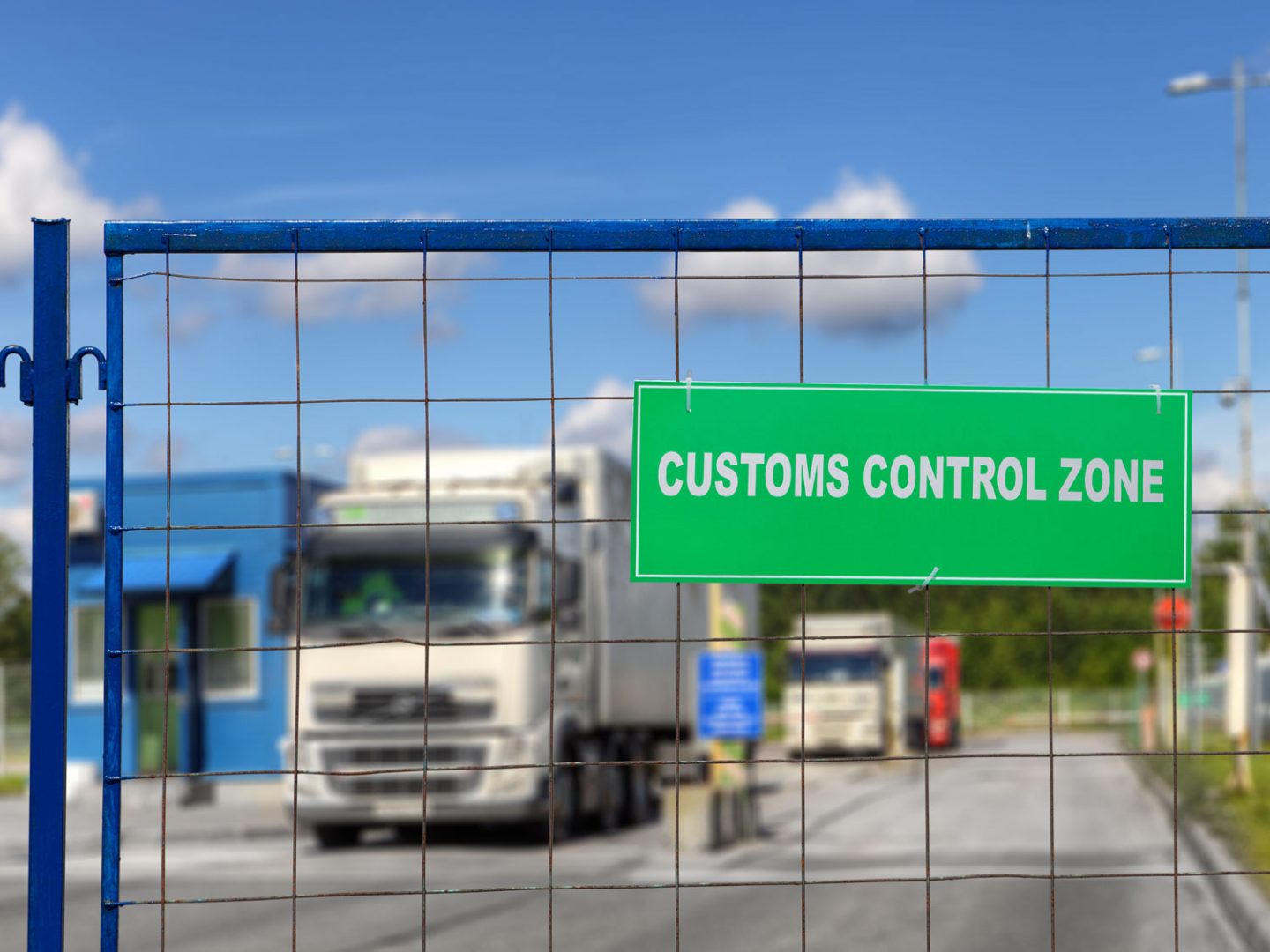
    Both accompanied and unaccompanied trailers now fall under ICS2’s scope. Businesses must submit ENS data 1 to 2 hours before EU arrival, depending on the transport type. Timing is critical — incomplete or late submissions could lead to delays, detentions, or even denied entry.

The Enveloppe Logistique Obligatoire

As introduced during our most recent webinar, ELO is not to be confused with the 70s rock band, it represents a major evolution in French customs procedures.

ELO is an extension of France’s import/export pairing process. Under the new system, every crossing from GB into France will require a declaration barcode, which also supports onward movement into the remaining 27 EU countries. The goal is to digitise and streamline freight verification, with a single ELO envelope covering the full logistics trail.

Metro’s Briefing Webinar

On Friday, 28th March, Metro hosted its second industry webinar, focusing on the latest regulatory developments. The webinar audience were briefed by our experts on the latest regulatory developments, including ICS2 declarations, the introduction of ELO, updates and the Carbon Border Adjustment Mechanism (CBAM). 

They were also updated on changes to the UK Customs Declaration Service (CDS) for exports, evolving trade agreements such as the CPTPP, and implications of the Windsor Framework for Northern Ireland.

The session aimed to ensure attendees are not just compliant but well-positioned to optimise their supply chain strategies in this evolving regulatory landscape.

Stay connected with Metro for expert-led insights, upcoming webinars, and on-the-ground support to navigate new regulatory frameworks confidently. EMAIL Andy Fitchett to register your interest.

Seven supply chain shocks in seven weeks

Seven supply chain shocks in seven weeks

Just seven weeks into 2025, global supply chains have already faced a whirlwind of challenges.

From industrial action to trade barriers and shifting alliances, businesses must stay agile to navigate ongoing disruptions. Here are seven of the most impactful developments so far this year.

1. US east coast port strike averted (8th January)
A major disruption was narrowly avoided as the International Longshoremen’s Association (ILA) and United States Maritime Alliance (USMX) reached a tentative six-year agreement. The deal, approved on 7 February, prevented a strike that could have crippled US east coast ports for months. A final vote on 25 February will confirm its ratification.

2. Uncertainty over Suez Canal return (19th January)
Despite a fragile ceasefire in Gaza, container ships will not be returning to the Red Sea anytime soon. Carriers remain cautious, fearing renewed instability and prioritising the established Cape of Good Hope diversions. Even if ships do resume transit, severe disruption is expected, with schedules taking up to two months to stabilise.

3. Trump’s trade policies spark concerns (20th January)
Following his inauguration, President Trump swiftly reignited trade tensions, threatening tariffs on Colombia, China, Canada, and Mexico. Proposals include a 25% levy on steel and aluminium from Canada and Mexico, with reciprocal tariffs also being considered for UK imports. The potential trade war could have widespread consequences for global supply chains.

4. US air cargo demand under threat (1st February)
Trump’s decision to impose a 10% tariff on all Chinese imports and temporarily suspend the de minimis exemption for low-value Chinese shipments has sent shockwaves through the air freight sector. While the exemption was reinstated, changes to eCommerce regulations could significantly disrupt air cargo flows into the US, which is expected to receive 1.4 billion eCommerce packages this year.

5. New Asia shipping alliances reshape trade (2nd February)
The long-anticipated shift from three major container alliances (Ocean, THEA, 2M) to four key players (Ocean, Premier, Gemini, MSC) is now in effect. Asia-North Europe scheduled liner capacity will shrink by 11%, yet the number of weekly sailings will increase from 26 to 28. These changes will reshape global shipping networks for years to come.

6. European road freight rates stabilising (4th February)
After three years of decline, European road freight spot rates may have hit their lowest point. According to the European Road Freight Rate Benchmark, spot rates fell just 1% year-on-year in Q4 2024. While demand remains weak, cost pressures have kept rates 15% above pre-pandemic levels, with short-term volatility expected.

7. Carriers cut sailings to stabilise rates (14th February)
Shipping lines are aggressively blanking sailings to ease the transition to new alliance schedules and sustain freight rates. Between 17 February and 23 March, 51 sailings have been cancelled across key east-west trade routes, with February’s cancellations rising to 133 from 104 in January. Further capacity withdrawals and a general rate increase (GRI) could follow if demand fails to recover.

With trade disputes, shipping realignments, and geopolitical instability shaping global supply chains, the first quarter of 2025 has already presented significant challenges.

Staying ahead requires proactive strategy adjustments to mitigate risks and build resilience. That’s why we share these insights and why your Metro account management team is always by your side, ready to provide expert advice, share knowledge, and develop bespoke solutions tailored to your supply chain needs.

For high-level support, EMAIL Andrew Smith, Managing Director.

Road freight resilience amid industry turbulence

Road freight resilience amid industry turbulence

Despite rising costs, political uncertainties, and sluggish economic growth presenting formidable obstacles for road freight operators, Metro remains a standout performer, driving forward with an optimistic outlook, bolstered by sustained expansion and strategic investments.

The UK’s haulage sector is bracing for what could be its most difficult year since the Covid-19 pandemic. Businesses are contending with increased operational expenses, stemming from policy changes such as National Insurance contribution adjustments and minimum wage hikes. These factors place additional financial strain on operators already struggling with freight volumes and inflationary pressures.

Across Europe, the freight industry has struggled with stagnating demand, particularly in Germany, where truck mileage—a key indicator of transport activity—has continued to decline. While a modest economic recovery is forecast, growth in the road freight volumes are expected to remain tight, reflecting broader economic uncertainties.

Challenging yet recovering market

The European road freight market is set to experience a gradual recovery in 2025, with overall activity expected to increase by 2%. This is largely driven by a projected improvement in GDP growth across the eurozone and a stabilisation of inflation. The international freight segment is forecast to grow at a slightly higher rate, indicating renewed confidence in cross-border trade.

However, challenges persist. The UK’s fiscal expansion is anticipated to temporarily boost domestic demand, yet higher operational costs are expected to maintain inflation at elevated levels. The market-wide outlook remains cautious, with operators needing to navigate a delicate balance between cost pressures and service efficiency.

Positioned for success

Despite the challenging conditions affecting the broader industry, Metro’s road freight division continues to defy trends, delivering exceptional year-on-year growth. While many competitors have struggled to maintain volumes, Metro has expanded significantly, with a marked increase in team size and service capabilities.

Key to this success is the company’s strategic focus on expanding its European network. Recently introduced groupage services to the Netherlands, Poland, and Iberia are set to drive further growth, complementing well-established French and German routes. 

Additionally, Metro’s investment in less-than-truckload (LTL) and full-truckload (FTL) services positions it for continued success, ensuring efficient and scalable transport solutions across Europe.

By prioritising service expansion, operational efficiency, and customer-driven innovation, the company continues to outpace market trends. Metro’s proactive approach ensures its customers benefit from reliable, cost-effective, and resilient transport solutions in an otherwise volatile market.

To explore the potential and benefits of our road freight services EMAIL Richard Gibbs to begin a conversation.

2024: Reflecting on a Dynamic Year in Global Supply Chains

2024: Reflecting on a Dynamic Year in Global Supply Chains

As 2024 comes to an end, we look back at a year filled with extraordinary events that shaped the global supply chain landscape. From geopolitical challenges to shifts in logistics trends, the past year has underscored the importance of resilience, adaptability, and innovation in our industry.

Here are just a few of the major supply chain developments we covered and that defined 2024:

Houthi attacks in the Red Sea: The crisis continues, forcing vessels to divert around the southern tip of Africa, creating new delays and challenges for global trade.

Global RoRo capacity shortages: The shipping of automobiles was heavily impacted as carriers grappled with fleet reductions from the pandemic.

Labour unrest: Strikes surged 42% year-over-year, including a six-week standstill at the Ports of Los Angeles and Long Beach.

Port of Baltimore closure: The collision and collapse of the Francis Scott Key Bridge caused a three-month disruption.

eCommerce growth: Air freight demand soared on Asia-North America lanes as online shopping reached new heights.

ILA strike: A three-day US East Coast dockworker strike in October highlighted ongoing tensions over automation, with another strike looming in January 2025.

Global reefer shortages: The demand for refrigerated containers remains unmet, impacting perishable goods transport.

Political shifts: The re-election of Donald Trump signals potential changes in trade policies, with protectionism and tariffs on the horizon.

Shipping alliances: New alliances reshaped container shipping routes, including Maersk’s departure from Felixstowe.

Metro’s Highlights

2024 was also a year of achievements for Metro Shipping:

Air Freight Business of the Year: We were proud to receive this accolade at the Logistics UK Awards.

Road freight expansion: Our growing road freight division continues to support our clients’ evolving needs.

Publishing sector portfolio launch: We introduced tailored logistics solutions for the publishing industry.

Great Place to Work: Metro was officially accredited, reflecting our commitment to a positive and empowering workplace culture.

As we get ready to step into 2025, we are prepared to face challenges head-on, supporting our customers with expert insights, seamless operations, and innovative solutions.

Thank you for your trust and partnership in 2024.

Wishing you a wonderful holiday season and a successful year ahead.