Carriers Reroute as European Ports Buckle Under Congestion

Carriers Reroute as European Ports Buckle Under Congestion

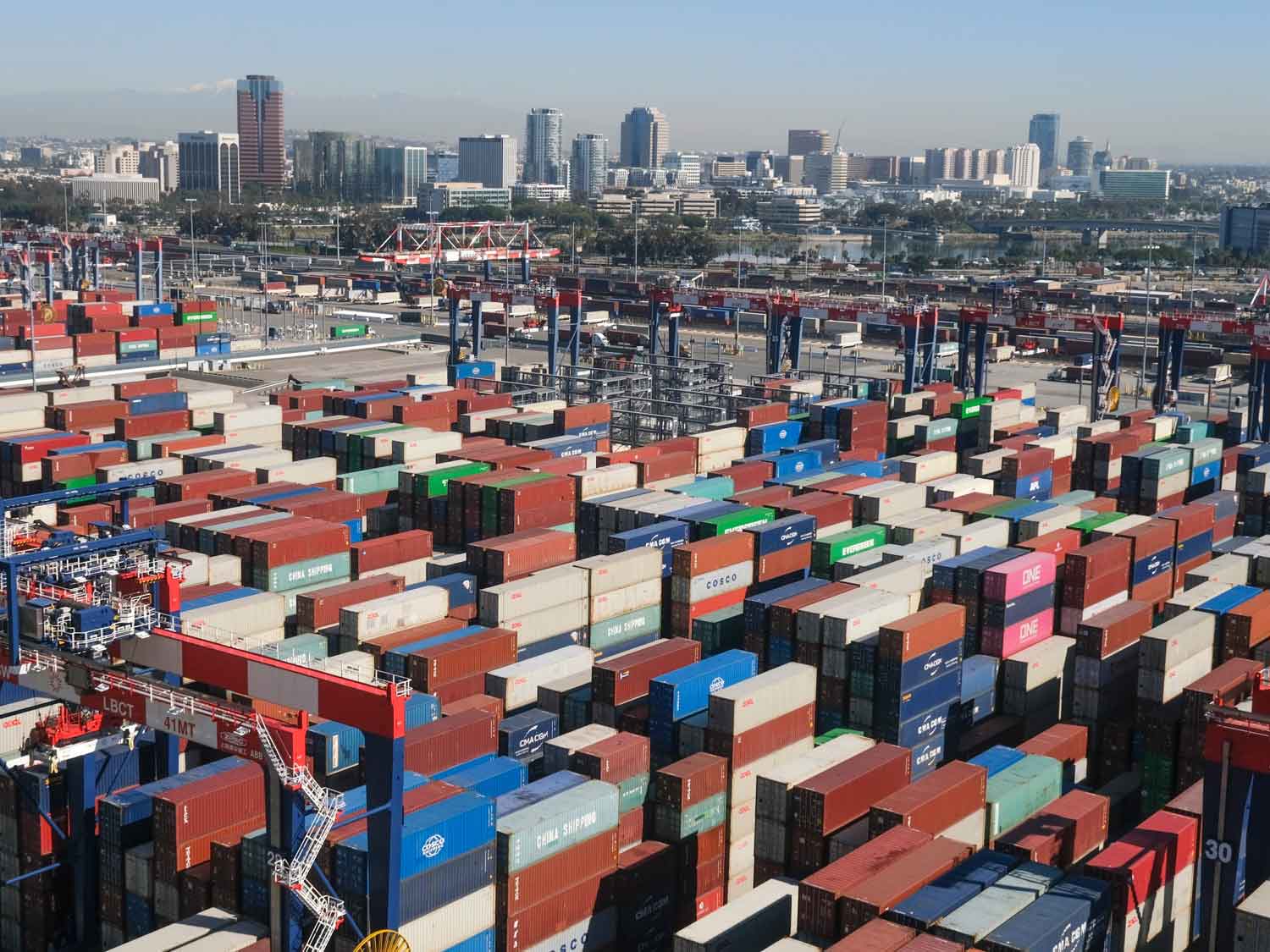
European container terminals continue to face mounting congestion, triggering service reshuffles, extended inland delays, and spiking freight rates. At several key hubs, container yard density surpassed 80%, pushing carriers to adjust port calls and rethink network strategies in the heart of the traditional peak shipping season.

Carriers have responded to the gridlock by diverting ships away from overloaded gateways. Some carriers have selected Southampton as an alternative for services originally scheduled at London Gateway. Major carriers are reshuffling calls across Rotterdam, Hamburg, and Antwerp, where vessels arrive late, berths are full, and inland connections are strained.

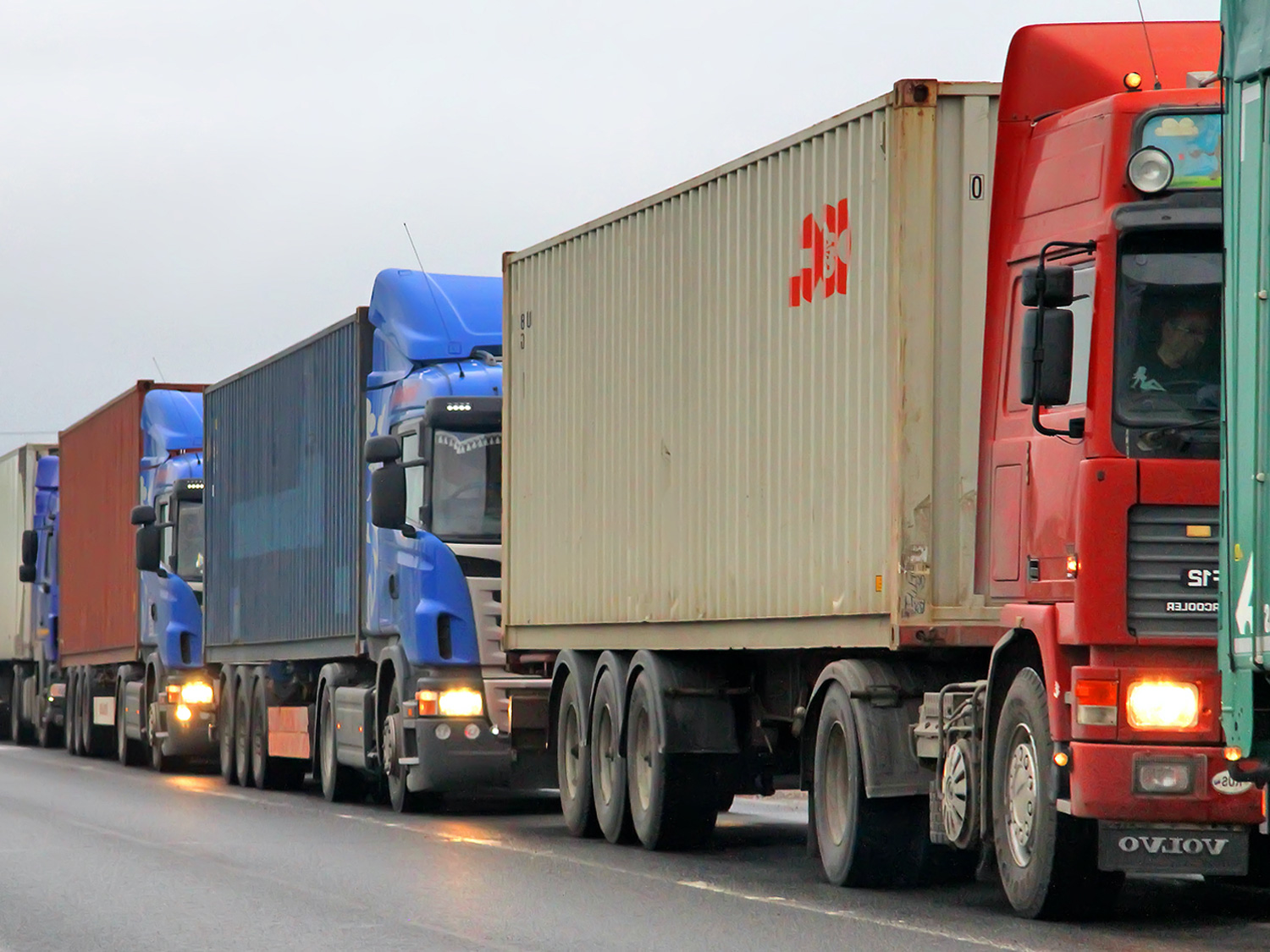
Inland, the disruption ripples out; with truck and, on the continent, barge operators facing long wait times. Terminals have been suspending empty container redeliveries and rail services are under pressure. A full rail shutdown in Hamburg this month has already forced some shippers to reroute cargo via Bremerhaven. Further south, Italian ports like Genoa face looming rail blackouts due to planned infrastructure works, extending from late July into August.

Asian Volumes Surge Into Europe
Asia-Europe container flows surged by around 9% year-on-year in the first four months of 2025, with volumes from Asia to North Europe up nearly 7% and Asia-Mediterranean flows climbing over 12%. Carriers responded by deploying record capacity into North Europe in July, exceeding 1.15 million TEUs. However, blank sailings have also increased, reflecting attempts to balance strong demand with schedule disruptions.

In contrast, Asia-Mediterranean services will see a record 883,000 TEUs deployed in August, with blank sailings sharply reduced, underscoring the divergent strategies between North Europe and Med routes.

Freight-all-kinds (FAK) rates on Asia-North Europe lanes climbed by nearly $500 per FEU in July, as major carriers pushed through increases. Overweight surcharges are also appearing on some China origins, with carriers prioritising lighter cargo and high-cube containers to optimise vessel utilisation.

Inland Disruption Worsens
Average barge waiting times have reached over three days at Antwerp and nearly three days at Rotterdam, further compounded by low water levels on the Rhine that restrict barge loads and trigger surcharges.

Meanwhile, inland networks across Italy brace for rail service suspensions through August, cutting off key routes from ports like Genoa, La Spezia, and Vado Ligure.

The effects are far-reaching, with extensive delays, higher costs, equipment shortages at many locations and circular modal stress, as rail shutdowns push more volume onto trucks and barges.

With peak season in full swing and continued demand expected into August, shippers should share space requirements early, ideally one to two weeks in advance, to avoid delays, book the optimum service and secure container equipment.

Metro’s sea freight teams are closely monitoring port performance, vessel schedules, and rate shifts across all major trade lanes. We help customers secure priority bookings, optimise equipment and container allocation, and design alternative routings to bypass bottlenecks.

EMAIL our Managing Director Andrew Smith to discuss current conditions, risk mitigation strategies, and booking solutions tailored to your business priorities.

Red Sea Return Scuttled by Houthi Vessel Sinking

Red Sea Return Scuttled by Houthi Vessel Sinking

The deadly July 7 attack on the Eternity C cargo vessel by Yemen’s Houthi rebels marks one of the most severe escalations yet in the Red Sea shipping crisis, reinforcing the view that this vital trade artery will remain off-limits for carriers through 2025. 

The Red Sea, via the Suez Canal, typically handles 30% of global container trade, linking not only Asia and Europe but also acting as a vital transit point for goods moving between Asia and North America, the Mediterranean, and even parts of Africa and Latin America. 

With most container ships now rerouting via Africa’s Cape of Good Hope, what began in late 2023 as a regional security issue has become a global supply chain disruptor, sending shockwaves far beyond the Asia-Europe corridor.

The Global Supply Chain Butterfly Effect

Asia–North America East Coast
Goods from China, Southeast Asia, and India bound for the U.S. East Coast often transit the Suez Canal. Rerouting extends voyages by up to 14 days, tightening container availability, raising costs, and pressuring ports on both coasts to manage capacity mismatches.

Africa–Europe and Africa–Asia
African exporters, including agricultural and mineral suppliers, face longer, costlier routes to reach European and Asian markets, challenging businesses from cocoa traders in West Africa to cobalt miners in the DRC.

Middle East–Europe Energy
Beyond containerised cargo, 20% of global LNG trade and 30% of global oil flows pass through the Red Sea and Strait of Hormuz. Disruptions here drive up global energy prices, affecting industries and consumers worldwide, from European factories to Latin American fuel markets.

Global Shipping Networks
With more ships tied up on extended routes, the global pool of available vessels is effectively reduced, tightening capacity on other trades, including the transpacific (Asia–U.S. West Coast) and transatlantic (U.S.–Europe), even though they don’t pass through the Red Sea.

Industry Effect

Automotive: Impacting not just Europe, but also in North America, as Tier 1 suppliers depend on globally sourced components.

Retail & Fashion: Global brands with cross-regional supply chains face timing, cost, and margin pressures.

Food & Agriculture: Grain, rice, coffee, and fruit trades are experiencing higher freight costs, threatening price inflation in developing markets.

Electronics: Longer lead times impact consumer electronics and critical components like semiconductors.

What’s clear is that the Red Sea crisis is not just a regional challenge. It’s a global supply chain stress test, that will continue to demand resilience, agility, and innovation for some time.

Metro’s supply chain management expertise and advanced MVT technology help shippers adapt on the fly; rerouting cargo, shifting transport modes, and even switching suppliers with agility and precision. From high-level network redesign to SKU-level control, we empower you to overcome disruption with confidence. EMAIL Managing Director, Andy Smith, to learn more.

Europe Builds Momentum as Trans-Pacific Slowdown Deepens

Europe Builds Momentum as Trans-Pacific Slowdown Deepens

Global container shipping is evolving rapidly, with Asia–Europe trade lanes showing fresh strength just as the transpacific market enters a significant slowdown. This divergence is creating new challenges and opportunities for shippers.

On the Asia–Europe route, demand has been steadily rising, with spot freight rates climbing significantly since the end of May. After a sluggish start to the year, the peak season seems to have arrived, driven by stronger consumer sentiment in Europe, improved macroeconomic indicators, and renewed retailer confidence in stock building.

Forecasts for European imports have been upgraded. Instead of the previously expected 3.5% annual growth, volumes are now set to increase by 6% through 2025. This is being supported by lower inflation, falling unemployment, rising disposable income, and stronger euro/sterling, which is making imports from Asia more affordable.

A new UK trade agreement is also giving exporters a boost by reducing U.S. tariffs on inbound goods to 10%. Discussions with the EU are ongoing, and similar tariff terms could apply more broadly to European supply chains, further stimulating demand.

In contrast, container traffic from Asia to North America is heading in the opposite direction. The sharp increase in demand earlier this year, driven by front-loading stock ahead of tariff deadlines, has left warehouses full and order volumes slowing. With inventory levels high and economic uncertainty persisting, import activity is falling, and rates have dropped since early June from Asia.

Adding to this pressure is the looming reintroduction of US tariffs. Temporary suspensions on general and China-specific tariffs are set to expire in July and August respectively. While extensions are possible, the expected imposition of new duties, potentially rising to 55% for some Chinese goods, may suppress demand further and shift sourcing decisions in the second half of the year.

Although a short-lived spike in cargo arrivals at US West Coast ports may materialise in July, driven by attempts to beat the tariff deadlines, this is expected to be a temporary reprieve in a broader downtrend.

Meanwhile, carriers on the Asia–Europe route are preparing to balance higher demand with tighter capacity. Shipping lines plan to withdraw approximately 90,000 TEU of scheduled space in August compared to July, using blank sailings and capacity cuts to maintain pricing discipline. If volumes remain strong, this could lead to a second wave of rate increases before the end of summer.

Beyond commercial dynamics, security remains a key concern in the Red Sea. A bulk carrier was attacked this week using drone boats, rocket-propelled grenades, and small arms, in the first such assault since December. Analysts warn that the threat level to commercial shipping has risen significantly, with continued disruption to Suez-linked services.

As trade routes shift, tariffs tighten, and risks increase, the ability to adapt quickly and make informed shipping decisions is more critical than ever.

Metro’s sea freight team provides expert guidance to help you navigate volatile conditions, mitigate disruption, and make your supply chain more resilient. Whether you’re importing from Asia or exporting to global markets, we’ll keep your cargo moving and your costs under control.  EMAIL our managing director Andrew Smith.

Tariff Pause Triggers Surge in Ocean Freight Rates – But Legal Roadblocks Lie Ahead

Tariff Pause Triggers Surge in Ocean Freight Rates – But Legal Roadblocks Lie Ahead

Container shipping lines are driving spot rates sharply higher, with the 2025 transpacific peak season likely to begin earlier than usual, fuelled by a surge in US imports from Asia.

Spot rates on key routes are rising faster than during the pandemic-era boom. Carriers implemented general rate increases (GRIs) on 1 June and plan further hikes for mid-June and 1 July, seizing the moment while demand is high.

According to the WCI, Shanghai–Los Angeles rates surged 57% week-on-week, while Shanghai–New York climbed 39%. Since mid-April, West Coast rates are up 173%, and East Coast rates have more than doubled. For comparison, rates rose just 20% over the same period in 2021. Asia–Europe lanes are also rallying, with the Shanghai–Rotterdam index up 32% and Shanghai–Genoa rising 38%, the highest weekly increases in many months.

But this momentum may be short-lived, as a wave of new capacity is entering the market. On Asia–West Coast routes, supply will grow by 13% in June and 16% in July. This additional capacity is expected to blunt the impact of further rate hikes, and limit the length of the current rally.

At the same time, the legal outlook for Trump ‘reciprocal’ tariffs remains highly uncertain. On 29 May, a federal appeals court temporarily reinstated the tariffs, just one day after the US Court of International Trade ruled that the former president had exceeded his authority and ordered an immediate block. The Court of Appeals for the Federal Circuit in Washington paused that decision to consider the government’s appeal, with final briefs due by 9 June.

However, legal experts suggest that the original court ruling is on strong footing. Under the current framework, principally the International Emergency Economic Powers Act (IEEPA), presidential authority to impose broad-based tariffs is limited. The Court of International Trade ruled that Trump’s use of IEEPA to impose tariffs on non-emergency, peacetime imports likely overstepped constitutional bounds.

If the appeal fails, Trump’s tariffs will face two remaining paths: either a legislative push to expand presidential tariff authority through Congress, or a ruling from the Supreme Court. The latter remains a real possibility if the administration persists and seeks to test the constitutional limits of executive trade powers.

In the meantime, the legal limbo is prompting importers to accelerate orders while the tariffs remain suspended, adding further pressure to ocean freight markets. But with front-loading already well advanced, this year’s peak season is expected to be earlier and shorter than the usual August–October window. While carriers are determined to ride the wave of high rates, fundamentals suggest the next one or two GRIs may be the last before rates begin to level off.

With legal uncertainty surrounding US tariffs and ocean freight markets under intense pressure, early planning and expert guidance are more critical than ever.

Metro’s experienced sea freight and customs brokerage teams are here to support your transpacific and Asia–Europe supply chains, with in-market expertise and local operations in the US.

Whether you’re juggling critical shipments, reviewing tariff exposure, or seeking end-to-end compliance support, Metro has the insight and capability to keep your cargo moving.

EMAIL our managing director, Andrew Smith, today to stay ahead of disruption and secure your space at the best possible rates.