Typhoon HKG 1440x1080 1

Climate is becoming one of the biggest supply chain risks

For years, weather disruption was largely viewed as an operational inconvenience. A storm might delay a vessel, flooding could close a road for a day or two, or high winds might temporarily suspend port operations. That is no longer the case.

Across the world's major trade routes, climate-related disruption is becoming more frequent, affecting more regions at the same time and lasting significantly longer. Drought, heatwaves, wildfires and tropical storms are now influencing shipping capacity, inland transport, manufacturing and inventory planning simultaneously.

Recent events across Europe, Asia and the Americas demonstrate that weather is no longer simply an environmental issue. It’s becoming a fundamental supply chain risk that needs to be anticipated and planned for. 

Panama Canal faces renewed pressure

One of the clearest examples is the Panama Canal, where falling water levels in Gatun Lake have prompted the Panama Canal Authority to progressively reduce maximum vessel draft during the summer as it conserves freshwater ahead of an anticipated Super El Niño. While current restrictions remain less severe than those experienced during the 2023 drought, they are already increasing costs for shippers. 

Several major ocean carriers have introduced Panama Canal surcharges ranging from $100 to $320 per TEU on Asia-US East Coast and Gulf Coast services, reflecting the reduced cargo each vessel can carry under tighter draft restrictions. Although the canal continues to operate normally, any future reduction in daily transit slots would have a much greater impact on schedule reliability than the current draft limits alone. 

Europe's rivers are feeling the strain

The effects of prolonged hot, dry weather are also being felt across Europe's inland transport network.

Water levels on the Rhine have fallen to critically low levels, severely restricting barge operations between Rotterdam, Antwerp and inland Germany. Operators have been introducing low-water surcharges for several weeks, while some services have become commercially or operationally unviable. 

Efforts to transfer freight onto rail have proved equally challenging, with alternative corridors already operating close to capacity because of ongoing infrastructure works.

For manufacturers relying on Europe's inland waterways, disruption is no longer confined to river transport, it increasingly affects rail capacity, road availability and overall distribution costs.

Wildfires are disrupting European road freight

Across southern Europe, another climate-related challenge is emerging, as large wildfires in France and Spain disrupt some of Europe's busiest freight corridors through road closures, diversions, reduced visibility and extreme temperatures. Longer journey times are increasing fuel consumption, delaying deliveries and placing additional pressure on temperature-controlled supply chains. 

The impact extends well beyond the affected regions. France remains the principal land bridge between the UK and the Iberian Peninsula, and with around 75% of UK trade with continental Europe transported by road, closures and diversions across France can have far-reaching consequences for supply chains across Europe.

For businesses importing fresh produce or operating just-in-time supply chains, even relatively localised events can have continent-wide consequences.

Typhoon season continues to test Asian supply chains

Meanwhile, North Asia is experiencing another challenging tropical storm season.

Following the disruption caused by Typhoon Bavi, Typhoon Dolphin is threatening further delays across one of the world's busiest manufacturing and shipping regions. Major ports including Shanghai, Ningbo and Qingdao are already managing congestion, with delays of up to 8 days and while the typhoon is being downgraded, another severe weather event risks extending vessel queues and delaying cargo movements before previous backlogs have fully cleared. 

The timing is particularly significant as peak season demand continues, increasing pressure on both container shipping and bulk commodity movements throughout the region.

Weather disruption is becoming interconnected

Individually, each of these events presents a local operational challenge, but together, they highlight a much broader trend.

Lower water levels restrict major waterways. Heat and drought increase wildfire risk. Tropical storms disrupt manufacturing and port operations. Each event creates knock-on effects that spread rapidly through global supply chains, affecting transport capacity, transit times and logistics costs far beyond the immediate area.

With forecasters warning that a strengthening Super El Niño could increase the frequency and severity of weather extremes over the coming months, businesses should expect climate-related disruption to remain a significant operational risk. 

Building resilience into the supply chain

Extreme weather can no longer be treated as an occasional disruption that businesses simply react to.

Organisations that build resilience into their supply chains, through flexible transport options, contingency planning, alternative routings and greater supply chain visibility, will be far better placed to manage future disruption than those relying on historical weather patterns.

As climate events become more frequent and interconnected, resilience is becoming every bit as important as cost and transit time.

Whether you're moving freight through Europe, North America or Asia, Metro can deliver visibility throughout your supply chain and help you prepare for disruption before it happens. From alternative routings and multimodal solutions to warehousing, customs and contingency planning, we'll help build a more resilient supply chain that keeps your cargo moving when conditions change.

EMAIL Managing Director, Andrew Smith to start a conversation. 
Hormuz satellite

Middle East conflict is reshaping global shipping once again

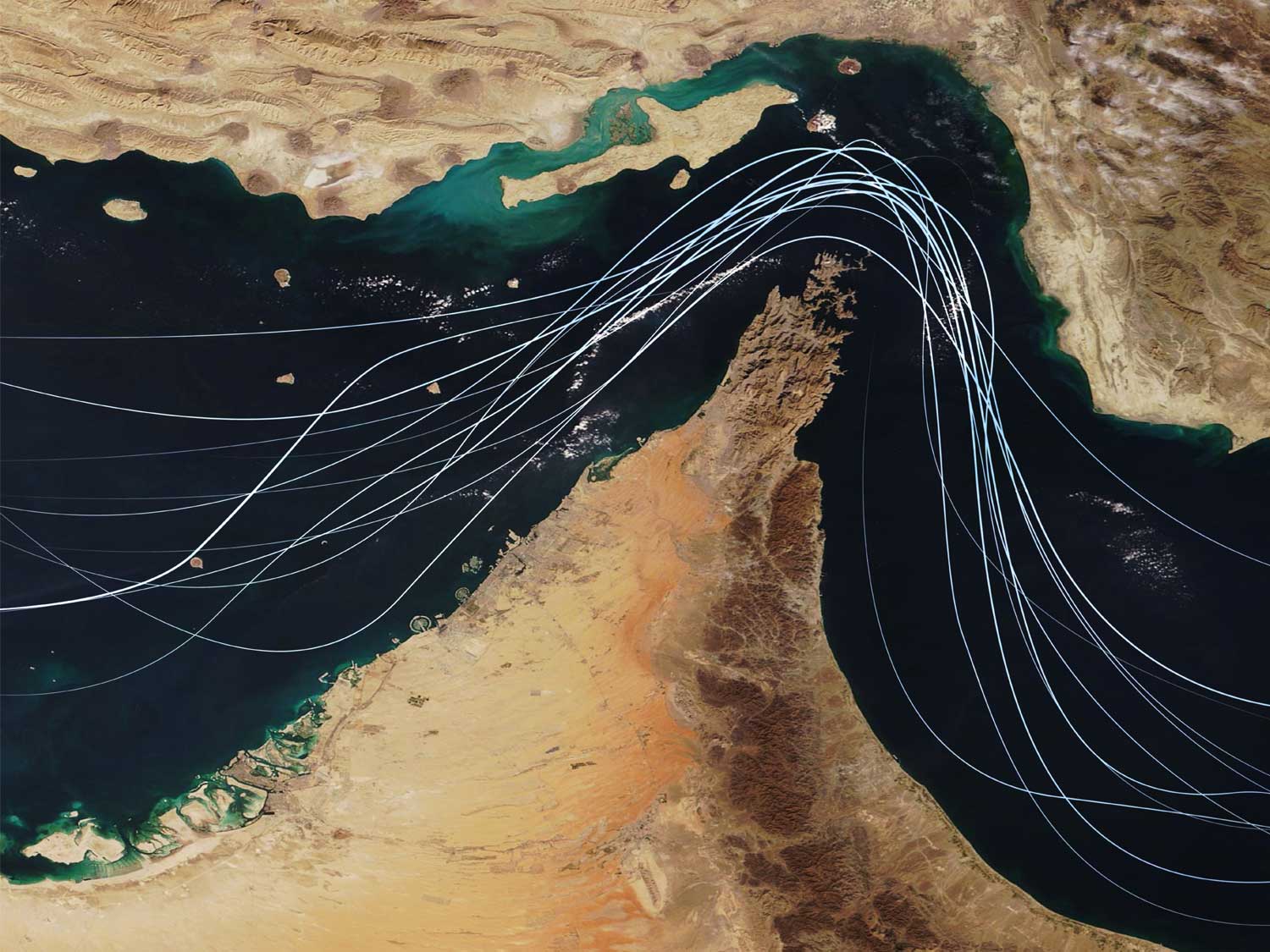
Commercial shipping in the Strait of Hormuz and Red Sea is facing renewed disruption with 14 Iranian attacks on vessels since June 25th, the breakdown of the US-Iran ceasefire and a Houthi threat to target Saudi-linked shipping in the Bab al-Mandab.

The tanker Kavomaleas, initially reported on fire in the Strait of Hormuz, has since been confirmed as the target of an attack on Monday. Its crew abandoned the vessel, which remained adrift and on fire. UK Maritime Trade Operations also reported that another tanker in the Strait’s southern transit corridor had been attacked and set alight, with its crew also abandoning ship.

These incidents have further weakened confidence in the safety of the Strait, which has historically carried around one fifth of the world’s crude oil and liquefied natural gas.

Traffic has fallen sharply during the latest period of escalation, with only six vessels crossing the Strait in a day, the lowest level in five weeks, while hundreds remained at anchor outside the waterway.

For shippers, the concern extends well beyond regional security. Rising fuel costs, higher insurance premiums, longer voyage times and reduced network capacity all have the potential to increase transport costs and reduce schedule reliability across global supply chains.

Hormuz remains the world's most important energy chokepoint

The attacks on Kavomaleas and a second tanker follows earlier incidents in July involving three vessels, including a Qatari-flagged LNG carrier.

Iran subsequently accused vessels of transiting without its permission, using its interpretation of the MoU agreement to assert control over passage through the Strait.

While the United States insists the waterway remains open to commercial traffic and has deployed a naval blockade, Iran's Islamic Revolutionary Guard Corps (IRGC) threat to execute attacks on unauthorised vessels cannot be ignored.

The impact extends far beyond the Gulf itself. Because such a significant proportion of the world's crude oil and LNG exports move through Hormuz, even relatively limited disruption can trigger sharp movements in energy markets as traders price in the risk of prolonged restrictions.

Brent crude briefly climbed above US$90 per barrel following the latest escalation, increasing expectations of higher bunker costs and transport surcharges across both ocean and air freight markets.

Red Sea uncertainty threatens container shipping

While Hormuz is primarily an energy concern, the Red Sea remains critical to global container shipping.

Recent threats to Saudi-linked shipping in the Bab al-Mandab Strait have renewed concerns that carriers may once again reduce Red Sea transits or suspend recently restored Suez services.

Maersk recently returned its Gemini AE15 service to the Suez route and planned to add Jeddah from August. Its MECL service also calls at the port.

CMA CGM operates several Asia-Europe services through Suez. Recent schedules show some Jeddah calls omitted on the MEX and BEX2 services, although not all calls have been removed.

Should security risks increase again, those services could once more be rerouted around southern Africa.

Such diversions add thousands of nautical miles to Asia-Europe voyages, increasing fuel consumption, extending transit times and reducing the effective capacity of the global container fleet. Even though no vessels are removed from service, longer round voyages mean fewer sailings can be completed each year, tightening capacity and placing upward pressure on freight rates.

Marine insurance remains available for vessels transiting the Gulf, but at substantially higher prices.

War risk hull premiums reportedly stood at a fraction of 1% of insured vessel value before the crisis began in February. They have since risen to between 3% and 10%.

For a tanker valued at US$100 million, this could increase the premium for a single transit from around US$250,000 to as much as US$10 million.

The Lloyd’s Market Association has stated that the decline in traffic is not primarily the result of insurance being unavailable. It said owners are choosing not to transit because of safety concerns.

These costs ultimately feed through to supply chains via emergency surcharges, bunker adjustment factors and higher freight rates.

Although neither the Strait of Hormuz nor the Red Sea is theoretically closed, commercial conditions remain highly fluid.

Container carriers continue to review sailing schedules, tanker operators are assessing voyage risks on a daily basis and insurance markets remain volatile. Further attacks or additional security measures could quickly alter routing decisions across both regions.

Visibility turns uncertainty into control

Geopolitical events cannot be prevented, but their impact can be managed with real-time visibility and timely data.

Metro combines global freight expertise with advanced digital visibility through our MVT platform, providing customers with real-time shipment tracking down to SKU level across all transport modes. Metro helps businesses identify disruption early, make informed decisions and keep products flowing through increasingly complex global supply chains.

To learn how Metro can strengthen the resilience and visibility of your international supply chain, EMAIL Managing Director Andrew Smith today.

Trade handshake

UK trade deals open new opportunities

The UK's trade agenda continues to gather momentum, creating new opportunities for businesses trading internationally, while reshaping the way they access global markets. 

The most recent agreements with major trading partners across Asia-Pacific, the Gulf, North America and Europe have expanded market access, reduced tariffs and strengthened supply chain resilience.

For UK businesses, these agreements represent far more than diplomatic milestones. They offer practical commercial advantages, from lower export costs and simplified market access to stronger supply chains and improved regulatory cooperation. While some negotiations remain ongoing, the overall direction is clear: the UK is building an increasingly diverse portfolio of international trading relationships that extends well beyond traditional European markets. 

UK-EU relations continue to evolve

Although the planned UK-EU summit scheduled for July has been postponed following the change in UK political leadership, negotiations have continued behind the scenes.

Officials are progressing work on the mandatory five-year review of the Trade and Cooperation Agreement (TCA), alongside wider discussions aimed at improving the trading relationship.

Several areas could deliver tangible benefits for businesses. Negotiations on sanitary and phytosanitary (SPS) standards are intended to reduce border checks on food and agricultural exports, while discussions continue around linking UK and EU emissions trading systems, cooperation on electricity infrastructure and broader regulatory alignment.

While no major changes have yet been agreed, businesses trading with Europe should continue to monitor developments, as incremental improvements to customs procedures and border processes could reduce friction for many exporters over the coming months.

CPTPP becomes a reality for UK exporters

One of the most significant developments has been Mexico's ratification of the UK's accession to the Comprehensive and Progressive Agreement for Trans-Pacific Partnership (CPTPP) on 22 June 2026.

With Canada expected to complete implementation in September, UK businesses will soon benefit from preferential access across all twelve CPTPP member economies, creating one of the world's largest free trade areas spanning Asia-Pacific, North America and Latin America.

Collectively, CPTPP countries account for around 15% of global GDP and more than 500 million consumers. For exporters, the agreement opens new opportunities across manufacturing, consumer goods, food and drink, automotive, technology and professional services, while giving businesses greater flexibility to diversify international supply chains beyond traditional markets.

Gulf agreement strengthens access to a fast-growing region

May’s new Free Trade Agreement with the Gulf Cooperation Council (GCC) represents another important step in expanding Britain's global trading relationships.

Covering Bahrain, Kuwait, Oman, Qatar, Saudi Arabia and the United Arab Emirates, the agreement is expected to remove hundreds of millions of pounds in annual tariffs on British exports once fully implemented.

Products including food, beverages and consumer goods are expected to benefit from lower duties, while wider provisions covering digital trade, investment and business mobility should make it easier for UK companies to establish and grow commercial operations throughout the Gulf.

For businesses already trading with the Middle East, the agreement offers greater certainty at a time when the region continues to play an increasingly important role in global logistics and supply chains.

Switzerland opens new opportunities for UK exporters

The UK's latest agreement with Switzerland further expands opportunities for British exporters, particularly across agriculture and food production.

The new Free Trade Agreement removes or reduces tariffs on a wide range of British agricultural exports, including lamb, vegetables, dairy products, beef and sparkling wine, while also strengthening services trade between the two countries.

The agreement, which was finalised on 13 July is expected to increase bilateral trade by more than £7 billion annually, reinforcing Switzerland's importance as one of the UK's highest-value trading partners.

UK-US cooperation goes beyond tariffs

The UK and United States continue to strengthen their trading relationship through pharmaceutical supply chain agreement signed at the end of 2025.

The arrangement protects more than £5 billion of annual UK pharmaceutical exports from tariffs while creating closer cooperation on medicine availability, manufacturing resilience and regulatory alignment.

Beyond the life sciences sector, the agreement demonstrates a growing emphasis on supply chain resilience rather than simply reducing tariffs. Greater cooperation on trusted sourcing, manufacturing capacity and regulatory processes reflects the increasing importance governments are placing on securing critical supply chains in strategically important industries.

Turning opportunity into competitive advantage

Securing a trade agreement is only the first step. Real commercial success depends on understanding customs requirements, managing international logistics and building resilient supply chains capable of supporting long-term growth.

Metro helps businesses take full advantage of emerging global trade opportunities through integrated freight forwarding, customs expertise and end-to-end supply chain management. Whether you're looking at new sourcing options or expanding into Europe, North America, the Gulf or the Asia-Pacific region, our global network and local specialists help simplify international trade while reducing cost, risk and complexity.

To discover how Metro can help your business unlock new international trading opportunities, EMAIL Managing Director Andrew Smith today.

NYC 1440x1080 1

July deadline for eFiling US product compliance

From 8 July, regulated consumer products entering the US must be supported by electronic compliance certificates filed at the time of customs entry, turning missing or inaccurate information into a direct threat to supply chain continuity.

This is not a change to the underlying safety rules, but to how they are enforced in practice. Paper or PDF certificates kept “on file” will no longer be enough; instead, compliance data must travel with the goods through US Customs and Border Protection’s Automated Commercial Environment (ACE), creating a new operational dependency on clean master data and structured product records.

What is changing in July

The US Consumer Product Safety Commission (CPSC) is rolling out mandatory electronic filing of Certificates of Compliance for regulated consumer products from 8 July, covering finished goods already in scope of existing CPSC requirements.

Importers (or their customs brokers) must now submit defined certificate data elements electronically via ACE with every applicable customs entry, including low-value and de minimis consignments. Shipments into US Foreign Trade Zones benefit from a longer transition, with mandatory eFiling pushed back to January 2027, but they will ultimately be brought into the same regime.

The new rules will be felt most acutely in sectors with broad product ranges, frequent line changes and complex safety obligations.

Fashion, retail, toys, consumer electronics, nursery products, homeware and household goods are all directly affected, particularly where products require either a Children’s Product Certificate (CPC) or a General Certificate of Conformity (GCC). 

For brands with high-volume direct-to-consumer flows and seasonal collections, the inclusion of de minimis parcels means that even small data gaps can disrupt launches and delay customer deliveries.

From paper certificates to digital compliance

For each shipment, importers must transmit a structured set of data points, including product identifiers (such as SKUs), details of the certifying party, the specific safety rules applied, manufacturing dates and locations, test dates and locations, and contact details for the laboratory and record keeper. 

Importers can choose between two methods of submitting compliance data:

1. Full PGA Message Set

Under this option, all certificate data is filed directly into ACE for every shipment. Required information includes:

  • Product identifiers such as SKU or GTIN
  • Applicable CPSC safety standards
  • Manufacturing dates and locations
  • Manufacturer or assembler details
  • Testing dates and testing facility information
  • Laboratory details
  • Contact details for the party maintaining compliance records

This approach is generally more suitable for importers handling smaller product ranges or irregular shipments.

2. Reference PGA Message Set

For businesses importing the same regulated products regularly, the CPSC Product Registry offers a more streamlined alternative.

Product certificate information can be pre-registered in advance, allowing customs brokers to submit only:

  • Certifier ID
  • Product ID
  • Certificate Version ID

This method can significantly reduce repetitive data entry and support faster customs processing.

Both approaches rely on accurate, pre-prepared data that aligns exactly with the physical shipment.

New operational and data challenges

Importers now need to manage the intersection of multiple requirements at SKU level, for example combining US flammability rules for clothing, chemical restrictions on substances such as lead and phthalates, and labelling standards for fibre content, care instructions and safety warnings.

For fashion and lifestyle brands, that means building robust testing programmes, maintaining complete technical files and ensuring master data can be translated into CPSC-compliant certificate records without manual rework at the point of entry.

Regulators have signalled that they expect full compliance from the implementation date, with no broad indication of delayed enforcement.

Incorrect or incomplete eFilings can trigger automated customs holds, manual inspections, potential seizure or refusal of non-compliant shipments, and even civil penalties where systemic failures are identified. For time-sensitive sectors such as fashion and retail, where margins and calendars are already under pressure, even short delays at the border can undermine entire seasons or promotional campaigns.

Why exporters and origin teams matter

Although legal responsibility for eFiling sits with the US importer, a significant proportion of the required information resides with exporters, manufacturers and upstream partners.

Testing records, manufacturing details, lab certifications and product specifications are typically held at origin, and without structured access to this data, importers may struggle to complete mandatory filings accurately and on time. Exporters targeting the US market therefore need to map CPSC scope with their customers and embed electronic information sharing into standard shipping processes so certificate data is available well before cargo departs.

Turning compliance into an advantage

Businesses that invest early in mapping their CPSC exposure, closing testing gaps, building digital certificate libraries and rehearsing eFilings in test environments will move through the new regime with fewer delays and lower risk. 

Those that treat compliance as a last-minute paperwork exercise risk finding that missing or inconsistent data becomes a bigger threat than tariffs, capacity constraints or transport disruption.

Metro is already working with customers in fashion, retail, consumer goods and wider international trade to align product data, testing records, documentation and customs processes across origin and destination teams. 

If you import into the United States and want to turn the new CPSC eFiling rules into a competitive advantage rather than a source of disruption, EMAIL our Managing Director, Andrew Smith, directly.